
 Chat Live
Blog | Workout Meals
Nutrition, recipes and training from our chefs and sports dietitians — always one tap from your next meal.
170 Results
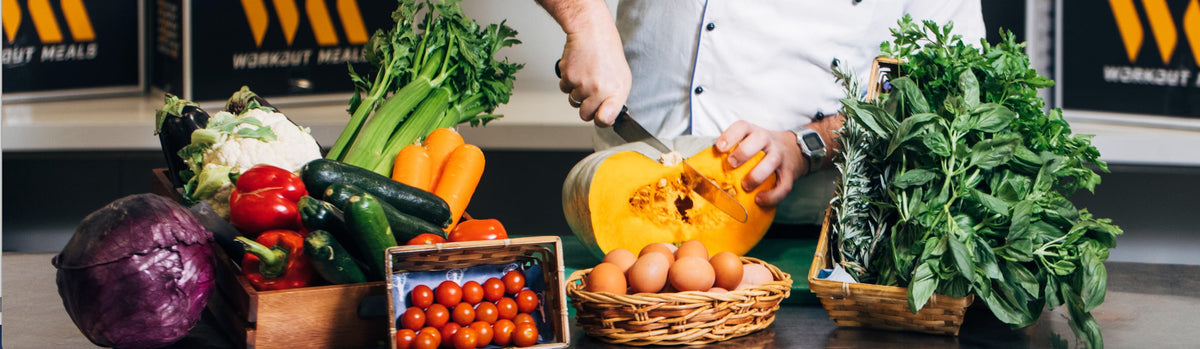
What Should My Calorie Intake Be? Keeping off lost weight and maintaining your physique is quite challenging! Plus, you need to support your training with the right amount of calories/nutrition, too. However, nothing is too difficult if you discover the secrets behind how to do so. You have to ensure you understand your daily intake of calories, and how that fares against how many you burn. By the time you've finished reading this blog, you'll know all about this and how to execute it with your nutrition, so you can stay lean and fit all year round! Staying Lean and Fit We all have our own unique total daily energy expenditure (TDEE). Our TDEE refers to how many calories we burn daily. And once we know what that is, it's the key to understanding how to stay in shape! And someone who is training regularly and has a relatively active job, like a postman, would have a much higher TDEE than someone with a desk job that doesn't exercise. So if we eat the same amount of calories as our TDEE, we'll MAINTAIN weight. And that's more or less how to ensure we: 1. Maintain our lost weight 2. Ensure we have enough energy for our training 3. Ensure we don't gain excess body fat And in fitness circles, eating at your "maintenance calories" is eating your TDEE. Once you've worked out your TDEE, you must ensure your protein intake is the first macronutrient you look at. How Much Protein To Eat Daily To Maintain Muscle Shoot for roughly 1.6 grams of protein per kilogram of body weight daily, and up to 2.2 grams, to maintain your muscle mass.You might only need 1.6 grams, but experiment to see what works. Obviously, if up to 2 grams is too high for you, then drop it down to 1.6 grams. If you can't eat it all, then reduce it. If you feel it's not enough, increase it. Your protein intake here is to ensure muscle maintenance and satiety; the feeling of being full. Let's say your maintenance calories are 2500, and you weigh 85 kilograms. To consume 1.6 grams of protein, you'd be consuming 136 grams of protein per day (85 kilograms x 1.6 grams). Given one gram of protein is 4 calories, this equates to 544 calories So that leaves you with 2500 calories - 544 calories (1956 calories) for your fat and carbohydrate intake. And if we decided we wanted to lose weight, well we'd aim for a 10-20% calorie deficit, derived from our TDEE. Calculating your TDEE Here, you can use an online calculator, or you might care to learn the detail of exactly what TDEE is, and how to do it by hand as seen below: Step 1 = Work out your Basal Metabolic rate (BMR). This is the number of calories your body needs to stay alive for organ functioning. You'll work out your BMR by multiplying your body weight by 20. For example, you weigh110 kg. 110 kg x 20 = BMR of 2200 calories. Step 2 = Work out the Thermic Effect of Feeding (TEF). This is the number of calories you burn daily from the food you eat, given the energy generated by the body to digest it. So simply multiply your BMR by 0.1 to get the TEF. Your BMR = 2200 calories. 2200 calories x 0.1 = 220 TEF 2200 BMR + 220 TEF = 2420 calories so far. Step 3 = Work out the Exercise Energy Expenditure (EEE), which is how many calories you burn during exercise. This is basically impossible to get completely correct, but generally, an hour of light exercise is around 250 calories burned, and an hour of intense exercise (training legs, for example) is about 500 calories burned per hour. Let's say you are doing resistance training 5 times per week. We'd add on 500 calories. 2200 BMR + 220 TEF + 500 EEE = 2920 calories. Step 4 = Work out your Non-Exercise Activity Thermogenesis (NEAT). This is the number of calories you burn daily away from exercising. It's things like maintaining posture sitting at your desk, chewing gum, and walking to the bathroom. Desk job employee = 250 calories from NEATA parking inspector, delivery driver, building site worker, etc = 500 calories from NEAT Let's say you have a desk job. Our numbers now look like this: 2200 BMR + 220 TEF + 500 EEE + 250 NEAT = 3170 calories. Your TDEE is 3170 calories. So there's a fair bit behind the curtain of TDEE. You can use the calculator below to calculate your BMR. Keep Track of Calories Burnt/ Fat Lost or Gained If you notice you are gaining weight, then your amount of calories is too high. Try reducing it by 300 calories and seeing how you go from there. Conversely, if you're losing too much weight (which obviously isn't your goal here) and you don't have enough energy in the gym, then increase your calories by 300. It's a trial and error thing: whilst TDEE isn't always perfect, it's a great yardstick for us to start with. So, if you want to stay lean and fit, maintain your muscle, and not gain excess fat whilst enjoying enough energy in the gym -- eat at your maintenance calories, and you'll be where you want to be! References Ostendorf DM, Caldwell AE, Creasy SA, Pan Z, Lyden K, Bergouignan A, MacLean PS, Wyatt HR, Hill JO, Melanson EL, Catenacci VA. Physical Activity Energy Expenditure and Total Daily Energy Expenditure in Successful Weight Loss Maintainers. Obesity (Silver Spring). 2019 Mar;27(3):496-504. doi: 10.1002/oby.22373. PMID: 30801984; PMCID: PMC6392078. Stokes T, Hector AJ, Morton RW, McGlory C, Phillips SM. Recent Perspectives Regarding the Role of Dietary Protein for the Promotion of Muscle Hypertrophy with Resistance Exercise Training. Nutrients. 2018;10(2):180. Published 2018 Feb 7. doi:10.3390/nu10020180 Carbone JW, Pasiakos SM. Dietary Protein and Muscle Mass: Translating Science to Application and Health Benefit. Nutrients. 2019;11(5):1136. Published 2019 May 22. doi:10.3390/nu11051136 Paddon-Jones D, Westman E, Mattes RD, Wolfe RR, Astrup A, Westerterp-Plantenga M. Protein, weight management, and satiety. Am J Clin Nutr. 2008 May;87(5):1558S-1561S. doi: 10.1093/ajcn/87.5.1558S. PMID: 18469287. Osilla EV, Safadi AO, Sharma S. Calories. [Updated 2021 Sep 15]. In: StatPearls [Internet]. Treasure Island (FL): StatPearls Publishing; 2022 Jan-. Paddon-Jones D, Westman E, Mattes RD, Wolfe RR, Astrup A, Westerterp-Plantenga M. Protein, weight management, and satiety. Am J Clin Nutr. 2008 May;87(5):1558S-1561S. doi: 10.1093/ajcn/87.5.1558S. PMID: 18469287. Carbone JW, Pasiakos SM. Dietary Protein and Muscle Mass: Translating Science to Application and Health Benefit. Nutrients. 2019;11(5):1136. Published 2019 May 22. doi:10.3390/nu11051136 Browse our full menu of high-protein ready meals
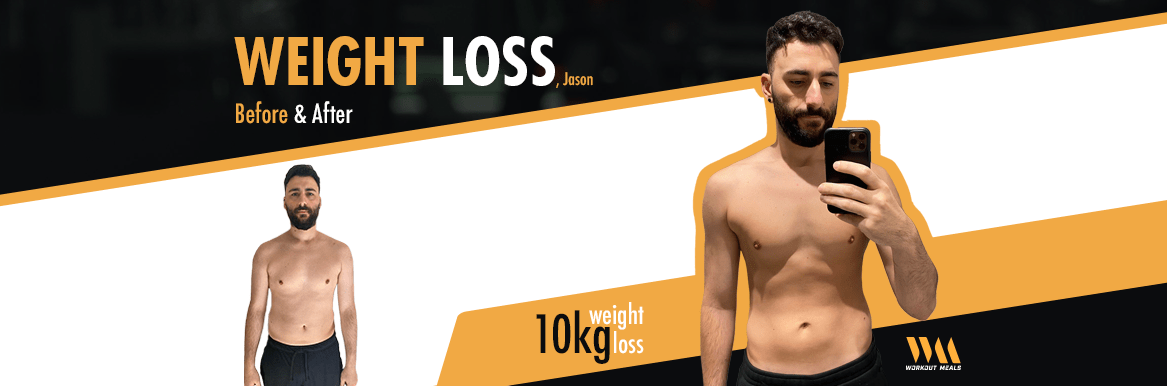
Jason Lost 10kg & Is Feeling Accomplished Tell us about your experience on WM360 Workout Meals 360 experience was a very positive experience overall, everyone all the way through from the chef, the trainer and my personal nutritionists was more than accommodating throughout my whole experience with Workout meals. Why did you choose WM360 I chose WM360 due to the flexibility and the tailored program that was for me. Also, the vast variety of meals that were on offer was really appealing to me at the time when I first started my fitness journey and one that I would recommend to others as well Tell us about your weight loss journey Throughout my Workout Meals journey, I started at 90kgs and then I ended finishing the program at 80kgs. So, I lost a whole 10kgs while doing the Workout Meals program What did you like best about Workout Meals food? What I like best about the Workout Meals foods was the versatility across the whole menu, all the way through from Breakfast, Lunch and Dinner. As well as that most foods incorporated ‘normal’ foods that we wouldn't think that we would include in a diet What is your favourite meal on WM360? My favourite meal across the Workout Meals menu including Breakfast as well as Snacks - would have to be the Low Carb Moussaka Was there anything that surprised you on the WM360 program? The thing that surprised me the most on Workout Meals 360 was the value exchange. So, we’re not only paying for the meals, I got extra add-ons which was inclusive of the package including my own Personal trainer, Chef and also Nutritionists Can you tell me about your coach in the WM360 program? Robbie, my coach was phenomenal from the get-go on my Workout Meals fitness journey. He obviously factored in a lot of my needs especially with last year's lockdown then resulting in a working out program that I do at home. Obviously with Gyms being closed. As well as that, factored in any needs or wants that I wanted to put into my diet plan as well How has Workout Meals been changing your life? Workout Meals has changed my life as it's taught me the value of counting my Macros being Protein, Fats and Carbohydrates. As well as that, being on this diet and this food journey, it has also taught me that I can eat pretty much whatever snacks and foods that I want and still obviously drop weight as the results have shown me Would you recommend WM360? 110% I would recommend Workout Meals 360, it's a pretty good deal in terms of what you’re paying. So, you obviously get your foods each week and you can get them in 7, 14 or over 21 days. As well as that, you get your own Personal Trainer, Nutritionists as well as your own Personal Chef. As well as that it obviously teaches you how to count your Macros and obviously accountability as well which is pretty good Have your friends of family or even work colleagues reacted to you losing the weight? Most definitely a lot of people have reacted to the weight I’ve lost over this fitness journey with Workout Meals 360. Especially, going into Lockdown and then coming back out when you see people, they can obviously tell the major difference which is a true testament to the Workout Meals program and the journey that I was on What would you say is the best thing about being on WM360? The best thing about being on Workout Meals 360, would have to be the flexibility. So not only obviously the flexibility to work out at a gym or at home but also the flexibility to fit it in your lifestyle. So obviously depending on if you’re a 9-5 working in the office type you can obviously move your fitness program around that as well as food consumption. Obviously, that would probably be the best thing about Workout Meals 360. As well as that, having your Coach on hand as well, to just send them a message if you have any questions or issues obviously, they’re there pretty much instantly for a response to help you out Do you have any tips for others on their transformation journey? Some tips for others on their Workout Meals 360 transformation would have to be accountability. Now, this could be in both aspects of working out so make sure you follow the program that your Coach gives you. As well as that, counting your Macros to the absolute gram. What I found that helped me the most was to use a digital scale and as well as that you can track it through MyFitness pal app. Browse our full menu of high-protein ready meals

How a Ketogenic Diet Can Be Beneficial We all have different tastes and thus prefer different dietary approaches. It's why we have a variety of diets to choose from when it comes to fat loss and/or general living. And one of our options is the ketogenic diet. So what is the ketogenic diet, and what are its benefits? The following blog will detail this, so you can decide if it's for you! What is the Ketogenic Diet? A ketogenic diet consists of high protein intake, high fats, and low carbohydrates.The dietary macronutrients are divided into approximately:Protein: 30-35%Fat: 55-60%Carbs: 5-10%So if you were following a 2000 calorie diet, your carbohydrates would be around 20-50 grams per day. So why is this approach taken? Because abstaining from carbohydrates enables ketogenic diet followers to enter a state of "ketosis." What is Ketosis? Ketosis is a process that happens when your body doesn't have enough carbohydrates to burn for energy. So it burns fat and makes what are called ketones, which can be used for fuel. But this doesn't mean you're going to burn more body fat than anyone on a traditional diet of up to 150 grams of carbohydrates (or more). Because what governs weight loss is a calorie deficit. So if you're eating a diet high in carbohydrates, or low, the fat loss results are the same. But Don't Carbs Make Us Fat? No! The old theory was that an insulin spike meant fat was stored automatically, in the absence of someone eating more calories than they burn. So if you were eating 500 calories LESS than you burn, but consumed carbs, the resulting insulin spike would result in fat gained (apparently). But this is a fallacy that has been disproven many times. Scientists refer to this as the "carbohydrate-insulin hypothesis of obesity." Here are two other studies where the carbohydrate-insulin hypothesis of obesity has been disproven: 1. When protein was matched in a review of 32 studies, low carbohydrate diets or ketogenic diets provided no difference in weight loss 2. When subjects follow a diet made up of 77% carbohydrates, they still lose weight at the same rate. So Why Follow a Ketogenic Diet? The ketogenic diet seems to have an advantage in suppressing hunger. The researchers state: "...the clinical benefit of a ketogenic diet is in preventing an increase in appetite, despite weight loss, although individuals may indeed feel slightly less hungry (or more full or satisfied)." But just because you'll feel less hungry, doesn't mean you will necessarily stay on the diet. Here are the researchers from another recent study: "Adherence appeared to be particularly problematic for those studies who set out to achieve a very low-carbohydrate diet (<50 g carbohydrate per day), with only one out of the six trials that prescribed a very low carbohydrate diet being able to achieve this target as an average value." In other words, people struggle to stay on track during a ketogenic diet. And that's not good for weight loss.Therefore, the people who tend to adhere to ketogenic diets are patients who are given it as food or professional athletes who are very motivated. There is also the extremely motivated gym-goer who doesn't compete professionally on any level but can still stick to such a restrictive diet.But the point is, the majority of the population doesn't stick to a ketogenic diet and doesn't need to. Also, weight loss is a long game of sustainability, not about getting better results in a short time What About Keto For Exercise Performance? Keto might not be best for your exercise performance. Research shows that anaerobic exercises like sprinting or weight lifting are negatively affected by the low levels of carbohydrates eaten on a ketogenic diet. So if sprinting is your thing, or weightlifting (as it may be for lots of people reading this) you might be putting yourself at a disadvantage. However, research shows a ketogenic diet may be better for endurance athletes. Summary So where does this leave us? A ketogenic diet seems to be advantageous over regular dieting for appetite control. But this is of course if you can stick to it. If you prefer fats over carbs in your macro split, then this approach may serve you very well. But we must remember that some of the positive effects of the ketogenic diet are due largely to its high protein intake; a common thread across most weight-loss diets/diets. Protein is always prioritised because it's the major macronutrient behind muscle growth and is the best macronutrient for keeping us full. If optimal exercise performance in the gym with resistance training is your goal, the ketogenic diet might not be your best bet. It might be beneficial for endurance training, but as mentioned, you'll have to experiment with this. If you're looking for an easier and more balanced solution for weight loss, a traditional diet of high protein, carbs and moderate fats might be better. But everything is worth trying, as your own personal preference is the key that might surprise you! References Masood W, Annamaraju P, Uppaluri KR. Ketogenic Diet. [Updated 2021 Nov 26]. In: StatPearls [Internet]. Treasure Island (FL): StatPearls Publishing; 2022 Jan-.Burkitt MJ. An overlooked danger of ketogenic diets: Making the case that ketone bodies induce vascular damage by the same mechanisms as glucose. Nutrition. 2020 Jul-Aug;75-76:110763. doi: 10.1016/j.nut.2020.110763. Epub 2020 Feb 14. PMID: 32248054. Paoli A, Bosco G, Camporesi EM, Mangar D. Ketosis, ketogenic diet and food intake control: a complex relationship. Front Psychol. 2015 Feb 2;6:27. doi: 10.3389/fpsyg.2015.00027. PMID: 25698989; PMCID: PMC4313585. Strasser B, Spreitzer A, Haber P. Fat loss depends on energy deficit only, independently of the method for weight loss. Ann Nutr Metab. 2007;51(5):428-32. doi: 10.1159/000111162. Epub 2007 Nov 20. PMID: 18025815. Sacks FM, Bray GA, Carey VJ, Smith SR, Ryan DH, Anton SD, McManus K, Champagne CM, Bishop LM, Laranjo N, Leboff MS, Rood JC, de Jonge L, Greenway FL, Loria CM, Obarzanek E, Williamson DA. Comparison of weight-loss diets with different compositions of fat, protein, and carbohydrates. N Engl J Med. 2009 Feb 26;360(9):859-73. doi: 10.1056/NEJMoa0804748. PMID: 19246357; PMCID: PMC2763382. Gibson AA, Seimon RV, Lee CM, Ayre J, Franklin J, Markovic TP, Caterson ID, Sainsbury A. Do ketogenic diets really suppress appetite? A systematic review and meta-analysis. Obes Rev. 2015 Jan;16(1):64-76. doi: 10.1111/obr.12230. Epub 2014 Nov 17. PMID: 25402637. Hall KD, Guo J. Obesity Energetics: Body Weight Regulation and the Effects of Diet Composition. Gastroenterology. 2017 May;152(7):1718-1727.e3. doi: 10.1053/j.gastro.2017.01.052. Epub 2017 Feb 11. PMID: 28193517; PMCID: PMC5568065. Shintani TT, Beckham S, Brown AC, O'Connor HK. The Hawaii Diet: ad libitum high carbohydrate, low fat multi-cultural diet for the reduction of chronic disease risk factors: obesity, hypertension, hypercholesterolemia, and hyperglycemia. Hawaii Med J. 2001 Mar;60(3):69-73. PMID: 11320614. Huntriss R, et al. The interpretation and effect of a low-carbohydrate diet in the management of type 2 diabetes: a systematic review and meta-analysis of randomised controlled trials. Eur J Clin Nutr. 2018 Mar;72(3):311-325. Phinney, S.D. Ketogenic diets and physical performance. Nutr Metab (Lond) 1, 2 (2004). https://doi.org/10.1186/1743-7075-1-2 Bailey, C.P., Hennessy, E. A review of the ketogenic diet for endurance athletes: performance enhancer or placebo effect?. J Int Soc Sports Nutr 17, 33 (2020). https://doi.org/10.1186/s12970-020-00362-9 Paddon-Jones D, Westman E, Mattes RD, Wolfe RR, Astrup A, Westerterp-Plantenga M. Protein, weight management, and satiety. Am J Clin Nutr. 2008 May;87(5):1558S-1561S. doi: 10.1093/ajcn/87.5.1558S. PMID: 18469287. Sacks FM, Bray GA, Carey VJ, Smith SR, Ryan DH, Anton SD, McManus K, Champagne CM, Bishop LM, Laranjo N, Leboff MS, Rood JC, de Jonge L, Greenway FL, Loria CM, Obarzanek E, Williamson DA. Comparison of weight-loss diets with different compositions of fat, protein, and carbohydrates. N Engl J Med. 2009 Feb 26;360(9):859-73. doi: 10.1056/NEJMoa0804748. PMID: 19246357; PMCID: PMC2763382. Browse our full menu of high-protein ready meals
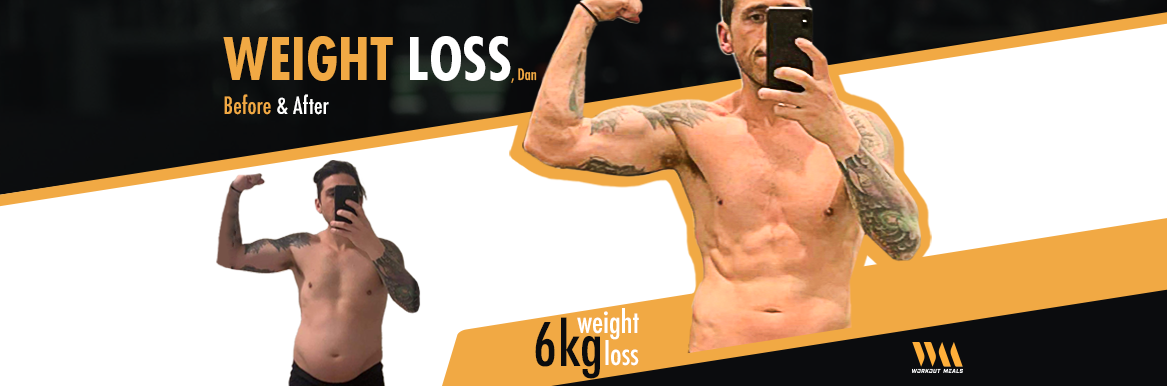
Dan Lost 6kg^ And Is Feeling Super Proud Tell us about your experience on WM360? I received it all! The Meals delivered weekly, access to a nutritionist, my own coach that held me accountable all via the WM360 app, I couldn't have asked for more.Why did you choose Workout Meals/ WM360? I chose the accountability making sure that someone was there, sort of checking on me, making sure I was eating my food, doing my workouts, that has been there and done it themselves. Making sure I have someone who can actually design something that was right for me. Tell us about your weight loss journey WM360 combined everything I needed, just look at the site! They combined meals because you know I am a father of three, married and run a full time business so getting the food prep was definitely something that I needed to make sire was incorporated into my program. By looking everywhere I stubbled across Workout Meals 360 and realised that was going to be the right choice for me. So having these meals prepped was so convenient because I am in and out. Open the fridge, grab it for lunch, grab it for dinner and after my workout. That made it so convenient.What’s that like to 6kgs? I lost about 6 kilos.What did you like best about Workout Meals food? Fresh not frozen tastes amazing unlike all the other delivery services I have tried. Knowing they don't have added preservatives and flavour enhancers also give me peace of mind.What is your favourite meal on WM360? My favourite meals definitely are going to have to be the roast lamb and second favourite is definitely going to be the Naked Turkey Burger. Those meals were so delicious.Was there anything that surprised you on the WM360 program? I received the accountability and customised support from a meal delivery service which I didn't think existed, especially all included for the price of my meals.Can you tell me about your coach in the WM360 program? Accountability! The coach was there for me, checking in on me making sure that I was eating my food and doing my workouts, doing my daily step count, drinking enough water all via the WM360 app.How has workout meals been changing your life? I have a far greater understanding of nutrition, while I feel pleased with my physique & feel more energetic.Would you recommend WM360? One of the most important things you can do is set yourself up for success. So your WM360 coach will be able to do that for you. That is what I found to be super helpful, so definitely I recommend WM360 for anyone wanting to start their journey.Have your friends or family or even work colleagues reacted to you losing the weight? The biggest thing was people seeing it in my face. I have people currently saying like asking me questions, what are you doing? You're looking great! They also noticed a difference in my energy and how it was appearing. What would you say is the best thing about being on WM360 The coach setting you up for success.Do you have any tips for others on the transformation journey ? If you are thinking about a program that creates it all because you are a little bit lost about what to do with your food and your exercises and definitely if you need the accountability, having that coach there checking in on you my tip is to lean on the experience of the WM360 coach to drive you on your journey and not keep going around in circles. Browse our full menu of high-protein ready meals
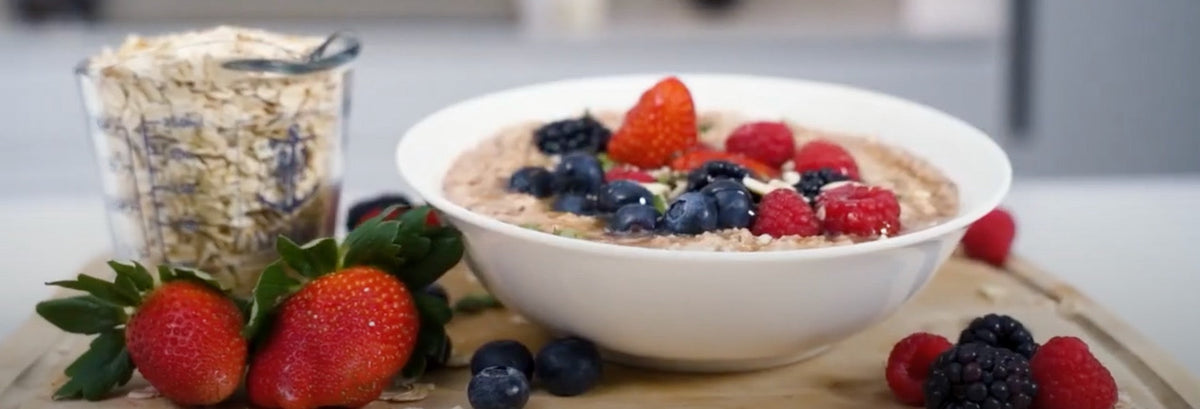
Quick and Easy Protein Oats Want to learn how to make quick and tasty protein oats? Workout Meals nutritionist Gemma brings you her protein oats recipe to kick-start your mornings or perhaps a post dinner dessert. INGREDIENTS • 1/2 cup 2 minute oats• 1 cup milk or nut milk• 1 teaspoon Vanilla Bean Paste• 1 scoop chocolate protein powder SERVES 1 Protein: 27.1g Carbohydrate: 32.5g Fats: 8.3g Calories: 317 cal KJ: 1324 kJ METHOD Combine oats, milk and vanilla pasta into a small saucepan. Bring to a simmer stirring until mixture thickens. Once thickened to your liking, Take off the heat and stir through protein powder. Drizzle with honey and top with fresh fruits. Note: I like the mixture to be slightly runny as the protein powder sucks up all moisture and this stops it from becoming dry. DO NOT cook it with protein powder it will go lumpy and dry. Watch Workout Meals Nutritionist Gemma make the best protein oats in the video below 👇 Browse our full menu of high-protein ready meals

Quick Low Calorie Snack Quick & easy low calorie, low carb and high in protein snack recipe, made by Workout Meals Nutritionist Gemma. The best high protein/low carb snack. A great alternative nutritious for snacks at work or on the go, so ditch the protein bars for these yummy boats that are bursting with nutritious micronutrients. Eggs are a great alternative to meet hitting your protein requirements and mixing chives, salt and pepper (or any other herbs you like) gives it a boost of micronutrients. Plus, the high water content in cucumbers can help keep you hydrated. As well as provide a fiber boost to help you stay regular. Ingredients - 1 Cucumber - 2 Boiled eggs - 1 tbs Chives (fresh) - Salt and pepper to your taste. Method 1. Cut cucumber in half-length ways. 2. Scrap out the seed section to make a ditch or boat shape to hold the egg mixture. 3. Peel 2 boiled eggs and roughly mash them in a bowl. 4. Mix in chopped chives, salt and pepper. 5. Fill the cucumber boats with the egg filling. You could make the egg mixture and store in an airtight container for up to 3 days (leaving it at home or work), this way there is no prep time every day. Just fill the boats when you want to eat. Nutrition Carbohydrates: 4.5 Protein: 12.5 Fats: 7.6 Calories: 136.4 Watch our Nutritionist Gemma make this quick low calorie and high in protein snack! Browse our full menu of high-protein ready meals

Weight Loss For Mum's Weight loss is not some big secret, although some people like to think it is. The underlying basis is a DECREASE in overall calories (a calorie deficit) and MOVEMENT. With a healthy focus on ensuring you are eating your vital Macronutrients (macros) Fats, Carb and most importantly PROTEIN! Now I am not here to tell you to cut out fizzy drinks, muesli bars, ‘diet’ foods and hot chips, because they all have their place. However, eating nutrient rich foods assist with mood, skin, rest and recovery among many other things. I am not just talking from the view of a nutritionist who would give out a plan that you need to stick to lose weight. I am talking from years of experience with clients and my own weight loss journey. To tell you the truth I have learnt way more about weight loss post 3 babies then I did during my degree in Nutritional Medicine, even when I was competing as a fitness model because now I had to lose weight for a lifestyle change that worked for me, my kids and work, not a 12 week plan or a goal to win. This time it was for me and how I wanted to feel healthy and fit! After my first baby I had put on 20kg, sure half of it comes off over the weeks post baby but the rest does not come off without some effort. The place I focused most of my effort was with nutrition and walking to budge the weight. Then when I had that down pat I re introduced weight training for shape. But the biggest thing was I was consistent not just for a week, or a month, I was CONSISTENT all the time. Sure some weekends we went out for dinner or pizza or didn't walk or exercise, but overall I was CONSISTENTLY more on track then not. 3 Key Principles to focus on for weight loss 1. Nutrition Calories In vs Calories Out play 90% of a role in weight loss. Think of your fat cells like a cup. You fill it up with calories, and you empty it using energy. Breathing, standing, walking, sitting down, getting up, carrying even eating and sleeping, this is referred to as your NEAT Non-exercise activity thermogenesis. Your body needs fuel to function. However, if you keep filling the cup up and up with excessive calories and not producing enough energy to burn it, it overflows, and that over-flowing is excess body fat. If you keep this over flowing up, over the years 2kg here and 3kgs there in no time you wonder how you gained 10+ kgs. 2. Movement Following on from the cup, a great way to empty the cup is through further energy expenditure. Additional steps each day and daily exercise, anything from strength training at the gym, Pilates and HITT workouts are a great addition for weight loss. 3.Consistency Do not get unmotivated after a few weeks in and do not swap and change diets. Just keep being consistent with your calories deficit and getting your movement in each day. In 4, 6, 12 months time you will notice unbelievable changes that will stay with you for life. Now Let's Get Down To My 12 Secrets 1. Choose something that works for you Choose foods you actually enjoy eating, and that also work with your family, so you are all trying to eat the same meals together. Don't make it difficult including a lettuce salad with no dressing if you know damn well, you're not going to stick with it. 2. Track Your Food This is the biggest part. First so that you know what calories and macros you are consuming each day. But it also educates you on what food you choose to consume, for example you may want a 200g lamb roast, but realise if you change this to 200g chicken breast you reduce your meal by 100cal allowing you to have this elsewhere. You have not given up your food but made a smarter choice to allow for more volume of food. 3. Portion Control If you find it difficult to track your food, portion control is a great alternative. A palm size piece of protein, a fist of starchy carbs and 2 palmed cups of veg/salad. If you are new to this, ordering pre prepared meals from a company that are calorie controlled can take all the guesswork out of it. If you need help you can also join the WM360 program for mum and I personally will help you with your journey. 4. Hit Your Step Targets Minimum 10,000 steps a day! For myself when I am trying to budge the last few kgs I hit 14,000 min as 10,000 for me is a norm running around after kids. However for an office worker 10,000 steps would be double your daily steps. Keep that cup half full!! 5. Choose Foods Where You Get Bang For Buck Swap your food for things that give you more volume, for example swap 1 cup rice for ½ cup rice + 1 cup Cauliflower rice mixed together. You double your food volume for less calories. White meats such as chicken, fish and pork have lower fat content than red meats, this means they are lower in overall calories, which will allow you to consume slightly more food to meet your calorie target. 6. Try Intermittent Fasting Now I am not a fan of Fad diets or even anyone fasting for a specific time, but I do like to adapt some of the thought process of intermittent fasting. Basically they have a small window of time they consume all their daily calories in. This works well for busy people in the morning or people that get peckish throughout the day. I have my breakfast at 9 or 10 as I am not overly hungry in the morning but then allows for my meals to be closer together during the day stopping me snacking in between. Meals and Snack Time Would Look Like: 10am Breakfast 1pm Lunch 4pm Snack 8pm Dinner You don't need to follow any specific timings; you just need to be hitting your calorie deficit. 7. Make a Shopping List Be prepared with the food you want to eat so you don't get stuck having to come up with a plan for takeout. Having your house stocked with fresh food is key to not snacking on unnecessary calories. 8. Start Your Day The Right Way If movement energises you, get your exercise or walk done first thing in the morning. It will kick start your day on the right track. 9. Where "Diet" or "Light" Foods Can Come In Handy Of course there are going to be times when you want something more indulgent but you still want to be consistent. These ‘light’ options while not overly nutritious do have a low calorie marker allowing you to easily fit these into your day while still remaining in a deficit. If having something sweet or that you love is going to keep you motivated and not feel like you're deprived then include these for yourself. I personally enjoy a coke zero and a low cal muesli bar on the run. 10. Learn How To Cook Different To Make It Low In Calories Here is a key tip to not change up your whole life. Change the way you cook. For example, swap deep frying for baking. Make chicken schnitzel drizzled with olive oil and baked in the oven. Or make your own salad dressings, shop bought dressing can have sugar you would not add at home. Let's save the sugar for our chocolate. 11. Don't Cut Things You Love Out Don't miss dinners out with friends or work drinks, popcorn and slurpees at the movies. These are all memories and fun you share with people. No diet should take that away from you. Enjoying these on occasions without tracking, guilt or even a second thought is a must to keep a healthy balance. People come when people do it every Friday, Saturday consistently without factoring that into their week. If I sat you down for 1 healthy meal would you lose weight… NO, so an outing here and there is not going to make you gain weight. 12. Set Goals, Not Just Body Composition Setting goals based solely on your weight which fluctuate, not just from body fat can be unmotivating when you're not seeing the results but putting in the effort. Set other goals to train weight 3-4x a week, increase the weights in those sessions, and measure fitness markers. As Well as the basics, if you're feeling more energised and happy looking after yourself. The results will come. Best of luck on your weight loss journey! But if you need help you can always join me in the mum's WM360 program. Browse our full menu of high-protein ready meals
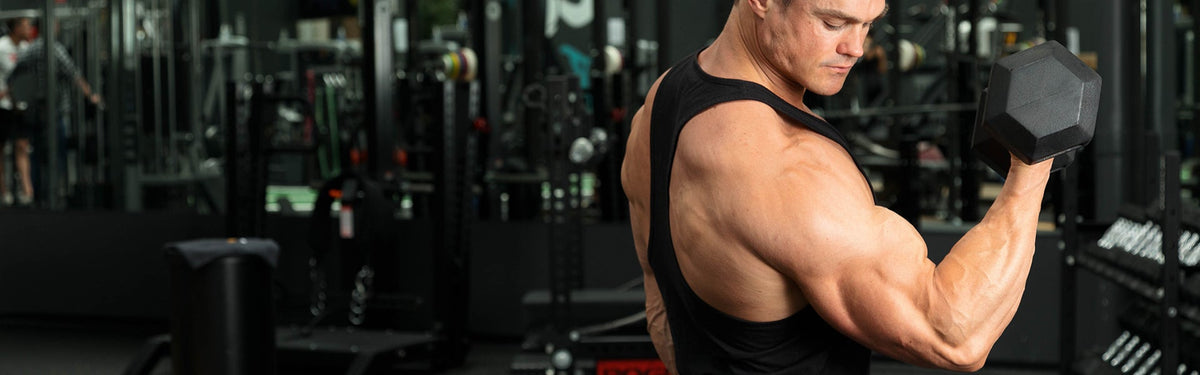
Muscle Gain Workout Plan So you want to grow maximal muscle size? Good! You've come to the right place. The following blog won't just give you a muscle-building workout program, but detail the science around muscle growth, and how you can make it work for you. It might seem like growing muscle is just about getting into the gym and moving weights around; and whilst that works to varying degrees for different people, there's a lot more to it if you want maximal results. By the end of this blog, you'll know what this is, so you can storm your way to optimal muscle growth! 1. Get to know the three principles of muscle growth and how to implement them So much of what we know about gaining muscle mass to date stems from the three principles of muscle growth: 1. Mechanical Tension 2. Metabolic Stress 3. Muscle Damage So what does each one mean? Mechanical tension refers to lifting a heavy load and putting tension on your muscles. For example, squatting at 50 per cent of your maximum squat strength doesn't allow for as much mechanical tension as squatting at 80 per cent of your maximum squat strength. Basically, mechanical tension refers to how we generate muscle power with a challenging weight and decent form.The second principle, metabolic stress, refers to the "pump" we get during a workout. I'm willing to bet you know this feeling: when all the blood rushes to your muscles during a workout and they become superficially enlarged. And we can achieve this by ensuring we don't lockout at the top of movements, and don't rest for longer than 2-3 minutes between sets. Another great way to achieve metabolic stress is by training in the 12-25 rep range to muscle failure, and resting for sometimes as low as 20-55 seconds. So, we know to lift heavy (mechanical tension) and sometimes reduce rest and do more reps for a serious pump (metabolic stress). Now let's look at the third and last principle to see how that fits into these both: muscle damage. Muscle damage ensures that the exercises we're doing "damages" the muscle as much as possible. And we can achieve muscle damage by: 1. Mixing up our exercises 2. Implementing slow negatives (lifting the weight slower on the way down [4 seconds] during a rep) 3. Choosing exercises with a maximum range of motion to induce stretch-mediated hypertrophy (more on stretch-mediated hypertrophy in a moment!). And we want maximal muscle damage for more growth; the more a muscle is "damaged" the more it must repair, which translates to a change in muscle size. To recap the three principles: Mechanical Tension: - 3-5 reps for the experienced lifter, 6-12 reps for the inexperienced lifter - Rest for 2-3 minutes between sets - Lift at 80% of your 1 rep max - Adopt strategic pauses where you'd like Metabolic Stress: - 12-25 reps to muscle failure. - Rest for 20-55 seconds between sets - Do this until you feel "the pump" Muscle Damage: - 8-12 reps - Rest for 1:30 - 2 minutes between sets - Take 4 seconds to bring the weight down during the "negative" movement - Mix up your exercises - Practice an extended range of motion where applicable (Stretch-mediated hypertrophy, which we'll get to later). If you think about these three principles more often than not, you'll be way ahead of the average gym-goer. And this brings us to our next point to always think about in the gym: progressive overload. 2. Understand progressive overload and use it in your workout programs Progressive overload relates to the first principle of muscle growth: mechanical tension. For example, a newbie starts barbell shoulder pressing for their deltoids, and can only lift 20 kilograms for 4 reps before failing. This is a good example of mechanical tension at work. But, two years on, if this newbie continues to lift this same weight for up to 12-15 reps, the mechanical tension becomes much less. This is when the principle of progressive overload comes in; increasing the workload for muscles beyond present capacity. Progressive overload is important because it directly drives muscle growth; research shows it can be implemented in these four ways: 1. Increasing the amount of weight we lift 2. Increasing the training volume by increasing the number of reps, sets, or exercises performed 3. Altering rest periods 4. Increasing rep speed during lighter loads The most popular method according to research, is number one. So, we know to add more weight to the bar over time to ensure more muscle growth, including increasing our sets and reps. Great! But just how much? Research suggests that changes in total training volume (reps, sets, weight) should be made in increments of 2.5% to 5.0% per week, to avoid overtraining. 3. Understand Stretch-mediated hypertrophy and how it helps you get bigger Stretch-mediated hypertrophy ties into two of the three principles of muscle growth: mechanical tension and muscle damage. One of the important factors of muscle damage is ensuring you're quite literally, damaging the muscle as much as possible. And the idea of this is to work a muscle through a full range of motion. But this isn't just during any ol' exercise. Because a given exercise might not actually work a muscle through a full range and STRETCH it properly. An example is this research into hamstring training, which found seated hamstring curls to be better than lying hamstrings curls. This is because when we're bent at the hips (seated), a larger stretch of the hamstrings (and a greater range of motion) occurs. And more muscle damage (and thus growth) can occur when a muscle is stretched MORE and forced to move weight in that position. This is so critical for us to understand: range of motion isn't defined by exercise, but by joint. So when we train our muscles at a maximal stretch, we can achieve stretch-mediated hypertrophy. Another great illustration of this is evident in this study, which found when subjects did just the bottom half of a preacher curl, it resulted in about three times as much muscle growth as when they did just the top half of the movement. And this relates to the first principle of muscle growth too: mechanical tension. You'll recall this is the amount of weight a muscle is lifting and the force it's generating to do so. And the amount of tension a muscle can produce is variable across its length, which scientists call the length-tension relationship. And when muscles are worked at a greater length you can put them under more tension. So which exercises are these? Well, that answer makes up our next point! 4. Follow a proper muscle gain workout plan To build the best physique possible, you want to work all of your muscle groups properly, and frequently enough. The old "bro splits" of "chest Monday", "back Tuesday", aren't the most effective way to train. This is because muscle protein synthesis levels return to baseline after 48 hours, meaning you are free to train that muscle again! Don't forget it is very important to track your progress! A great option to track progress is the WM360 app which will support you in: - Following your Workout Plan - Track how many reps and how heavy you are lifting which will inspire you to continuously beat my personal best. - Track your compliance - Follow your lean bulk nutrition plan. - Which also connects to your Apple Watch or Fitbit to track your heart rate and steps. With that in mind, let's take a look at your new muscle growth workout plan: Monday: 5 x squats (quads) 5 x Bench Press (Chest) 5 x Lat Pulldown (Back) 5 x Hamstring Curl (Hamstrings) Tuesday: 5 x Seated Military Dumbbell Press (Shoulders) 5 x Cable Pushdowns (Triceps) 5 x Hip Thrusts (Glutes) 5 x Standing Bicep Curl (Biceps) Wednesday: 5 x Leg Press (legs) 5 x Cable Flies (chest)(Really stretch out at the top of the movement for some stretch-mediated hypertrophy!) 5 x Bench Dumbbell row OR hammer strength rows (back) 5 x Leg Extension Thursday: REST Friday: 5 x Lunges (legs + Glutes) 5 x Incline Dumbbell Press (chest)(For some stretch-mediated hypertrophy! Really focus on a stretch on the way down). 5 x Cable Rows (back) 5 x Single Leg Hamstring Curls (hamstrings) Saturday: 5 x Seated Military Press OR Smith Machine Shoulder Press (shoulders) 7 X Skull Crushers (triceps)(For some stretch-mediated hypertrophy!) 5 x Dumbbell Bent Over Row (rear delts) 5 x Glute Builder Machine (glutes) 5 x Standing Dumbbell curls (biceps) Sunday: REST. This enables you to hit muscle groups 10-20 sets per week, which is the correct amount of sets for muscle growth. 5. Join a muscle builder program like Workout Meals 360 (WM 360) The Workout Meals 360 (WM 360) body transformation coaching program is perfect for men who are looking to grow maximal muscle size. There are three factors for a successful muscle growth strategy: 1. Nutrition 2. Training 3. Motivation and knowledge. So sign up with WM 360, and you'll immediately get: 1. A nutrition plan from a nutritionist (who also keeps you motivated!) and who will provide you with a meal plan for muscle gain. 2. A personal trainer who designs a tailored gym workout plan for muscle growth (and who keeps you motivated, too!) 3. Bodybuilding meals delivered to your door (and of your choosing!) from our team of restaurant-quality chefs These three steps are designed to give you the best muscle growth results, in the shortest time possible. And who could argue with that? 6. Understand what a lean bulking meal plan actually is High-calorie meals for bulking is important for those who find adding muscle difficult. But that's not everybody. And what the WM 360 nutritionists know, is that you don't need a huge calorie surplus for muscle growth. Lean gains, as lean as possible considering body fat must be gained on a bodybuilding meal plan, can be arranged. And this is achieved via a slight calorie surplus only; you don't need to overeat until you burst to achieve muscle growth. In fact, research suggests just a 200-300 calorie surplus is all you need every day for muscle growth. So there's no need to overdo it! 7. Eat enough protein for a successful muscle gain diet Here are three things you need to know about protein: 1. It promotes muscle growth and strength 2. Latest recommendations are to have about 1.6 grams to 2.2 grams of protein per kilogram of body weight per day when muscle growth is the goal 3. If you can help it, don't go longer than 6 hours without it. And you're well and truly covered here with the Workout Meals range of high-quality protein options! 8. Understand the importance of rest So many people get this wrong. Hours in the gym. Then too much drinking. Not enough sleep. Disco, disco, disco, and then goodbye gains! Here's a hard truth: the less sleep you get, the more muscle mass you can lose, and the harder muscle it is to grow it, too. The amount of sleep you need depends on your age: - Teenagers (14-17) years are recommended to get 8-10 hours of sleep. - Young adults (18-25 years) are recommended to get 7-9 hours of sleep - Adults (26-64 years) are recommended to get 7-9 hours of sleep - Older adults (65 +) 7-8 hours. 9. Use the right supplements for muscle growth We've touched on the importance of protein, and a protein powder is great when it comes to needing a convenient hit of protein. The other two supplements that have been proven time and time again by science are creatine and beta-alanine. These supplements can indirectly help you grow more muscle by helping you perform more reps. Very few supplements do what they say they do, so don't go overboard. Stick to these three and you'll be well on your way to muscle growth success. 10. Make it a habit to train no matter what It doesn't matter how tired you're feeling, or how "busy" you get. There's no point in having all the correct systems in place: the workout program, the nutrition plan, and the supplements, the convenient gym, and not turning up consistently enough. Pick a time of the day to train, and make it happen. No matter what. Set your timer: if you need 60 minutes only, then hold yourself to it. Sometimes you might need less. If motivation is a problem, WM 360 can help take care of it. But realise what it is that's stopping you from training, and attack the problem at its core. When you start seeing the gym as something that has to happen, like eating lunch or showering, you'll start to really notice results. Couple that with the new information you've learnt here, and you're going to notice some changes! And once you notice small changes, it gives you the motivation to keep going. The most seasoned gym-goers aren't "motivated" daily to train, they just do it. Once you get this mindset on autopilot, you'll get the results you want. So, there are ten steps to implement to achieve muscle growth as fast as possible. All the best with your muscle growth journey! References Pearson AM. Muscle growth and exercise. Crit Rev Food Sci Nutr. 1990;29(3):167-96. doi: 10.1080/10408399009527522. PMID: 2222798. Schoenfeld BJ, Ogborn D, Krieger JW. Dose-response relationship between weekly resistance training volume and increases in muscle mass: A systematic review and meta-analysis. J Sports Sci. 2017 Jun;35(11):1073-1082. doi: 10.1080/02640414.2016.1210197. Epub 2016 Jul 19. PMID: 27433992. Lorenz DS, Reiman MP, Walker JC. Periodization: current review and suggested implementation for athletic rehabilitation. Sports Health. 2010;2(6):509-518. doi:10.1177/1941738110375910 Maeo S, Huang M, Wu Y, Sakurai H, Kusagawa Y, Sugiyama T, Kanehisa H, Isaka T. Greater Hamstrings Muscle Hypertrophy but Similar Damage Protection after Training at Long versus Short Muscle Lengths. Med Sci Sports Exerc. 2021 Apr 1;53(4):825-837. doi: 10.1249/MSS.0000000000002523. PMID: 33009197; PMCID: PMC7969179.Winters TM, Takahashi M, Lieber RL, Ward SR. Whole muscle length-tension relationships are accurately modeled as scaled sarcomeres in rabbit hindlimb muscles. J Biomech. 2011 Jan 4;44(1):109-15. doi: 10.1016/j.jbiomech.2010.08.033. PMID: 20889156; PMCID: PMC3003754.Nedeltcheva AV, Kilkus JM, Imperial J, Schoeller DA, Penev PD. Insufficient sleep undermines dietary efforts to reduce adiposity. Ann Intern Med. 2010 Oct 5;153(7):435-41. doi: 10.7326/0003-4819-153-7-201010050-00006. PMID: 20921542; PMCID: PMC2951287.Dáttilo M, Antunes HKM, Galbes NMN, Mônico-Neto M, DE Sá Souza H, Dos Santos Quaresma MVL, Lee KS, Ugrinowitsch C, Tufik S, DE Mello MT. Effects of Sleep Deprivation on Acute Skeletal Muscle Recovery after Exercise. Med Sci Sports Exerc. 2020 Feb;52(2):507-514. doi: 10.1249/MSS.0000000000002137. PMID: 31469710.Wu G. Dietary protein intake and human health. Food Funct. 2016 Mar;7(3):1251-65. doi: 10.1039/c5fo01530h. PMID: 26797090.Schoenfeld BJ. The mechanisms of muscle hypertrophy and their application to resistance training. J Strength Cond Res. 2010 Oct;24(10):2857-72. doi: 10.1519/JSC.0b013e3181e840f3. PMID: 20847704. Grandjean A. Nutritional requirements to increase lean mass. Clin Sports Med. 1999 Jul;18(3):623-32. doi: 10.1016/s0278-5919(05)70172-1. PMID: 10410845. Fleck SJ, Kraemer WJ. Designing Resistance Training Programs. 3rd ed. Champaign, IL: Human Kinetics; 2004Goldberg AL, Etlinger JD, Goldspink DF, Jablecki C. Mechanism of work-induced hypertrophy of skeletal muscle. Med Sci Sports. 1975 Fall;7(3):185-98. PMID: 128681.Sato S, Yoshida R, Kiyono R, Yahata K, Yasaka K, Nunes JP, Nosaka K, Nakamura M. Elbow Joint Angles in Elbow Flexor Unilateral Resistance Exercise Training Determine Its Effects on Muscle Strength and Thickness of Trained and Non-trained Arms. Front Physiol. 2021 Sep 16;12:734509. doi: 10.3389/fphys.2021.734509. PMID: 34616309; PMCID: PMC8489980.Aragon AA, Schoenfeld BJ. Nutrient timing revisited: is there a post-exercise anabolic window?. J Int Soc Sports Nutr. 2013;10(1):5. Published 2013 Jan 29. doi:10.1186/1550-2783-10-5 Phillips SM, Tipton KD, Aarsland A, Wolf SE, Wolfe RR. Mixed muscle protein synthesis and breakdown after resistance exercise in humans. Am J Physiol. 1997 Jul;273(1 Pt 1):E99-107. doi: 10.1152/ajpendo.1997.273.1.E99. PMID: 9252485. Wang CC, Fang CC, Lee YH, Yang MT, Chan KH. Effects of 4-Week Creatine Supplementation Combined with Complex Training on Muscle Damage and Sport Performance. Nutrients. 2018;10(11):1640. Published 2018 Nov 2. doi:10.3390/nu10111640 Maté-Muñoz JL, Lougedo JH, Garnacho-Castaño MV, et al. Effects of β-alanine supplementation during a 5-week strength training program: a randomized, controlled study. J Int Soc Sports Nutr. 2018;15:19. Published 2018 Apr 25. doi:10.1186/s12970-018-0224-0 Browse our full menu of high-protein ready meals

Tone and Sculpt If you're reading this, you most likely want an enviable tone and shape to your physique that many women struggle to achieve. It takes hard work, discipline, and most importantly, knowledge. Joining and training at a gym with the goal of toning and sculpting your physique can be confusing for anyone. So, this blog will detail some scientific truths about building the body you want, so you can experience less confusion and more results, quickly! 1. Understand that weight training for women doesn't result in huge muscles Too many women think that lifting heavy weights like men means they'll grow copious amounts of muscle and never look feminine again. But it's just not how it happens. Men have up to five times more testosterone than women, meaning they are able to grow much more muscle! Further research should ease your concerns: men have 12 kilograms more muscle mass than women, whilst women have about 40% less upper body strength, and on average, 33 per cent less lower-body strength. So the chances of you growing the same amount of muscle as a man is near impossible. Instead, weight lifting gives women a bikini body; one that appears devoid of fat because of the muscle that overshadows it. Most females with enviable physiques know that weight workouts are indeed for women, and have been capitalising on it for years. So when you hear or read the term "muscle growth" mentioned with female body transformations, please remember that this is not a "bad" or "dirty" phrase! 2. Don't be scared of carbohydrates Carbohydrates, in the absence of a calorie surplus, don't make you fat. So, if you can eat 1900 calories before you gain weight, then eating 1800 calories from carbohydrates won't make you gain weight. Now of course you wouldn't do that, but we mention it to make a point. This is referred to as the "carbohydrate-insulin hypothesis of obesity", and has been disproven by scientists many times. One example is in this review where 32 studies were examined, and the conclusion was that low or high carbohydrates diets made no difference for weight loss. Moreover, carbohydrates are required for better performance. Carbohydrates store as energy in your muscles and "is the only macronutrient that can be broken down rapidly enough to provide energy during periods of high-intensity exercise." Recent recommendations suggest your carbohydrate intake can be as much as 55-60% of your dietary intake. So don't be shy, get stuck into your carbohydrates for the energy to tone and sculpt your body! 3. Get enough protein, as lots of women don't. Generally, women don't tend to eat as much as men, so consuming enough protein can be hard. But it's absolutely critical, as protein promotes muscle growth and strength. The latest recommendations are to consume about 1.6 grams to 2.2 grams of protein per kilogram of body weight per day. And you can ensure you reach these numbers by ingesting three meals, each containing about 0.53 g/kg protein, or 4 meals containing ~0.4g/kg protein. Lean sources like kangaroo, chicken breast, white fish and eggs are a great start. Mix up your protein sources to ensure dietary satisfaction and variety for your muscle gain meal plan. Moreover, protein will provide many health benefits like strengthening your immune system. Not enough protein intake results in physical weakness, anemia, edema, vascular dysfunction and a weakened immune system. Also, once you enter your 40s, you're at a higher risk of developing sarcopenia. Sarcopenia is a loss of muscle tissue and function, which has a severe impact on our ability to walk and thus our quality of life. 4. Join a woman's workout plan like Workout Meals 360 (WM 360) The Workout Meals 360 (WM 360) body transformation coaching program is perfect for women who are looking to achieve the best physique possible. And it's the result of the company's years in the market and listening to consumers. There are three factors to a successful body transformation for anybody: 1. Nutrition 2. Training 3. Motivation and knowledge. So sign up with WM 360, and you'll immediately get: 1. A nutrition plan from a nutritionist (who also keeps you motivated!) 2. A personal trainer who designs a tailored gym workout plan to lose weight (and who keeps you motivated, too!) 3. Meals delivered to your door (and of your choosing!) from our team of restaurant-quality chefs When you put all this together, you get a toning and sculpting workout plan for women designed to get you results as quickly as possible.And this is just what we want for you! 5. Keep performing your glutes and legs workout frequently: science says it's the only way An old strategy performed by men and women who want to grow muscle is to simply train one more muscle group once per week. This is NOT a good strategy! Research shows that muscle protein synthesis levels (your body using protein to build and repair muscle) return to normal after 36 hours. This means, for example, your booty building can start once again....you don't need to wait another week! It's better to train your glutes on a Monday and Wednesday again because they're fully recovered! Further research carried out here in Australia found that women should train their quads, hamstrings, glutes, and calves two to four days per week. And here's an interesting fact about your training: research finds that women recover strength faster than men after a workout! This means you're a recovery expert and can get right back to training the same muscle group faster than men. Who run the world?! This brings us to our next point. 6. Perform lots of squats to maximise your booty building results Most would be forgiven for thinking that hip thrusts are the best when it comes to glutes growth.Now don't get me wrong, they're terrific and you should do them.But the humble squat doesn't get enough credit for being a solid booty builder. And this is in line with other research: squats allow for the glutes to be worked in a longer range of motion whilst hip thrusts work the glutes at a lot shorter range of motion. The more your muscle is stretched during a movement and asked to shift weight, the more muscle can be grown. This is called stretch-mediated hypertrophy and applies to all muscles. So make sure you're squatting regularly; you can do it two to four days per week! This information isn't common amongst many weight workouts for women programs, so be sure to share it with as many of your friends that need to know! 7. Spend enough time in a minor calorie surplus to grow adequate muscle You can't grow enough muscle without being in a calorie surplus. That is, you have to eat more calories than you burn for a given amount of time to grow adequate muscle. Now sure, newbies to the gym can actually gain muscle and lose fat at the same time, but those glory days fade relatively quickly! So how much muscle can you gain in what time frame? Research suggests: First 6 months: 4.5 - 5.5 kilograms of muscle mass Second-year of lifting: Half the amount you gained in your first year Third-year of lifting: Half the amount you gained in your second year. So for maximal muscle tone, three years might be ideal. A lot of women (and men for that matter) might want to do twelve months in the gym and then "shred down." But you want to consider maximal muscle growth, as growing muscle naturally is hard enough as it is. Moreover, if you think that means you have to be "fat" for three years -- you're incorrect. There's a misconception that one can't grow muscle mass without getting "fat" and sacrificing how they look. Now sure, you can't be as lean as possible when trying to gain muscle, but the truth is you don't need as big of a calorie surplus for muscle growth as you might think! Research shows we might only need a surplus of 200-300 calories .. So, you don't need to be showing down on hamburgers and pizza and getting "fat" for the sake of it for maximal muscle growth. With these findings in mind, it's recommended by researchers to eat in a 200-300 surplus of calories per day. And this is information a lot of women wish they got sooner. 8. Once you're happy with your muscle mass after 3 years, then shred down. Don't cycle from "bulk" to "cut" just because summer is coming. This ultimately hinders progress. Stay committed to the bulk for as long as you need; then worry about stripping down. There's no point spinning your wheels when maximum progress is on the cards. After a three year period, you can strip the fat down to find a happy medium for the ultimate lean shape. 9. Don't compare yourself to other girls on social media When this topic comes up, I'm always reminded of the great quote by legendary American author Mark Twain: “Comparison is the death of joy." You don't know what has gone into the pictures you're looking at. Editing, surgery, filters, fancy lighting, it can go on forever. There are plenty of stories where women have had a particular role model for their glute development, only to realise that the woman has glute implants. You don't know what people are doing in order to achieve the "perfect" look on social media. It's as simple as this: social media isn't real life. The future version of what you can be is your competition. Along with the person staring back at you in the gym mirror. That's enough competition for anyone, and one unlikely to make you unhappy. So don't compare yourself and your progress to anyone else. It never ends well and is always counterproductive. 10. Throw out your "fat-burning" supplements Save money by ensuring any "fat-burning" supplements get left on the shelf. A recent and extensive review of the evidence surrounding weight loss supplements found none one of them resulted in significant weight loss. In fact, some were found to have detrimental health hazards. When it comes time to lose body fat, it's about getting your diet and training right, and not relying on any magical pills, powders or potions. Hard work trumps all, including "fat-burning" supplements with shiny labels. So, there are 10 ways for you to tone and sculpt your physique! By understanding and implementing each one, you'll be well on your way to crafting the body you want. All the best on your sculpting and toning journey! (And remember, "muscle growth" is not a dirty phrase!). References Clark RV, Wald JA, Swerdloff RS, Wang C, Wu FCW, Bowers LD, Matsumoto AM. Large divergence in testosterone concentrations between men and women: Frame of reference for elite athletes in sex-specific competition in sports, a narrative review. Clin Endocrinol (Oxf). 2019 Jan;90(1):15-22. doi: 10.1111/cen.13840. Epub 2018 Sep 27. Erratum in: Clin Endocrinol (Oxf). 2019 Sep;91(3):471-473. PMID: 30136295.Bredella MA. Sex Differences in Body Composition. Adv Exp Med Biol. 2017;1043:9-27. doi: 10.1007/978-3-319-70178-3_2. PMID: 29224088.Janssen I, Heymsfield SB, Wang ZM, Ross R. Skeletal muscle mass and distribution in 468 men and women aged 18-88 yr. J Appl Physiol (1985). 2000 Jul;89(1):81-8. doi: 10.1152/jappl.2000.89.1.81. Erratum in: J Appl Physiol (1985). 2014 May 15;116(10):1342. PMID: 10904038.Helge JW. A high carbohydrate diet remains the evidence based choice for elite athletes to optimise performance. J Physiol. 2017;595(9):2775Kanter M. High-Quality Carbohydrates and Physical Performance: Expert Panel Report. Nutr Today. 2018;53(1):35-39. doi:10.1097/NT.0000000000000238 Lambert CP, Frank LL, Evans WJ. Macronutrient considerations for the sport of bodybuilding. Sports Med. 2004;34(5):317-27. doi: 10.2165/00007256-200434050-00004. PMID: 15107010. Stokes T, Hector AJ, Morton RW, McGlory C, Phillips SM. Recent Perspectives Regarding the Role of Dietary Protein for the Promotion of Muscle Hypertrophy with Resistance Exercise Training. Nutrients. 2018;10(2):180. Published 2018 Feb 7. doi:10.3390/nu10020180 Wu G. Dietary protein intake and human health. Food Funct. 2016 Mar;7(3):1251-65. doi: 10.1039/c5fo01530h. PMID: 26797090. Walston JD. Sarcopenia in older adults. Curr Opin Rheumatol. 2012;24(6):623-627. doi:10.1097/BOR.0b013e328358d59b MacDougall JD, Gibala MJ, Tarnopolsky MA, MacDonald JR, Interisano SA, Yarasheski KE. The time course for elevated muscle protein synthesis following heavy resistance exercise. Can J Appl Physiol. 1995 Dec;20(4):480-6. doi: 10.1139/h95-038. PMID: 8563679. Judge LW, Burke JR. The effect of recovery time on strength performance following a high-intensity bench press workout in males and females. Int J Sports Physiol Perform. 2010 Jun;5(2):184-96. doi: 10.1123/ijspp.5.2.184. PMID: 20625191. Barbalho M, Coswig V, Souza D, Serrão JC, Hebling Campos M, Gentil P. Back Squat vs. Hip Thrust Resistance-training Programs in Well-trained Women. Int J Sports Med. 2020 May;41(5):306-310. doi: 10.1055/a-1082-1126. Epub 2020 Jan 23. PMID: 31975359. Neto WK, Soares EG, Vieira TL, et al. Gluteus Maximus Activation during Common Strength and Hypertrophy Exercises: A Systematic Review. J Sports Sci Med. 2020;19(1):195-203. Published 2020 Feb 24. Maeo S, Huang M, Wu Y, Sakurai H, Kusagawa Y, Sugiyama T, Kanehisa H, Isaka T. Greater Hamstrings Muscle Hypertrophy but Similar Damage Protection after Training at Long versus Short Muscle Lengths. Med Sci Sports Exerc. 2021 Apr 1;53(4):825-837. doi: 10.1249/MSS.0000000000002523. PMID: 33009197; PMCID: PMC7969179. Slater GJ, Dieter BP, Marsh DJ, Helms ER, Shaw G, Iraki J. Is an Energy Surplus Required to Maximize Skeletal Muscle Hypertrophy Associated With Resistance Training. Front Nutr. 2019;6:131. Published 2019 Aug 20. doi:10.3389/fnut.2019.00131 Wernbom M, Augustsson J, Thomeé R. The influence of frequency, intensity, volume and mode of strength training on whole muscle cross-sectional area in humans. Sports Med. 2007;37(3):225-64. doi: 10.2165/00007256-200737030-00004. PMID: 17326698. Manore, M. M. (2012). Dietary Supplements for Improving Body Composition and Reducing Body Weight: Where Is the Evidence?, International Journal of Sport Nutrition and Exercise Metabolism, 22(2), 139-154. Retrieved Mar 18, 2021. You Might Also Like: Want to lose weight more effectively by eating smarter?👉 How to Work Out Your Calorie Deficit for Weight Loss Browse our full menu of high-protein ready meals
A lot of men find it difficult to lose weight because of the plethora of misinformation regarding fat loss. Another week is another whizz bang diet or a super supplement that promises to melt all the kilos away. But time and time again, these "strategies" fail to deliver any meaningful results, leaving men right back to where they started. To combat this, we've put together 10 ways you can accelerate fat loss as a male using the findings of science, to help you shed your fat as fast as possible! 1. Understand the importance of a consistent calorie deficit Here's where a lot of men go wrong: they eat very well Monday to Friday but on the weekend consume so many calories they put themselves back days. Here's what I mean:Monday = they eat 1800 calories (and achieve a 500 calorie deficit) Tuesday = 1800 calories (500 calorie deficit)Wednesday = 1800 calories (500 calorie deficit)Thursday = 1800 calories (500 calorie deficit)Friday = 1800 calories (500 calorie deficit)Total deficit = 2500 calories. Now do that for two more days (Saturday and Sunday) and you'll achieve a 3500 calorie deficit. And what's so exciting about 3500 calories? Well a 3500 calorie deficit is roughly, half a kilogram of fat lost. And whilst this is not 100 percent accurate at all times, it's still a strong yardstick scientists continue to use. But so many men consume their maintenance calorie intake by lunchtime on a weekend, and then eat a "cheat" meal at dinner. In the example above, the maintenance calories were 1800. And it's not unusual for a 2000-3000 calorie dinner to take place for a "cheat" meal, which then accounts for a huge surplus. For example, if you consume 2500 calories at dinner after 1800 for the day, that's a total of 4300 calories. That's a surplus of 2500. Divided by your daily deficit of 500 calories, and that's five days of dieting you're undoing! So you're basically going backwards by having an intense cheat meal of that size. This brings us back to our point; we need a CONSISTENT calorie deficit. On the days you want to eat more, consume lean protein and greens only. This will give you a bigger buffer for your dinner, and not put you in a surplus that blows the doors down. Consistency wins the race, not days of a deficit and periods of excess calories. 2. Make best friends with protein in your fat loss meal plan If you want to stay full most of the time, make sure you're getting enough protein. Protein keeps you full better than carbohydrates and fat. It's incredible how many men begin a fat loss diet and consume lots of salads, inadequate protein, and nibble on "low calories foods" thinking that's going to get them there. Sure, low calorie foods help, but the most important thing when it comes to setting up a diet plan for weight loss is protein intake. You need 2.3 - 3.1 grams of protein per kilogram of fat free mass per day. Now to make things simple here, just take your weight in kilograms and times it by two. So if you weigh 80 kilograms, a great place to start is 160 grams of protein per day. But here's what else you don't get told; you can overeat on protein largely, and still NOT gain weight. Yep! Remember when all the weight loss experts used to tell you: a calorie is a calorie! They had no idea what they were talking about. Because protein is the king bee of macronutrients when it comes to what's called thermogenesis. Thermogenesis is how many calories your body burns up in the process of having to create heat to digest it. And for protein, the rate is the highest: Protein: 30% rate of thermogenesis. Fat: 0-3% Carbohydrates: 5-10%. So consume 100 calories from the Workout Meals lean chicken for example, and you're really only consuming about 70 calories. This is because the other 30 calories (thanks to the 30% thermogenic rate) are being lost in the digestion process. So when you get hungry, eat lean protein! Here's a study that will blow you away; it gave trained subjects an 800 calorie surplus from protein powder for 8 weeks, and they gained no body fat at all! Take a bow, thermogenesis. Some lean protein sources to favor (those of course, without fat and carbohydrates) are: - Kangaroo- Turkey- Barramundi or canned tuna- Whey protein powder- Chicken breast- Egg whites- Beef jerky Ensure you're getting a serving of at least 20 plus grams of protein per meal, and you'll be getting one of the very important things right. 3. Save your money on "fat loss" supplements -- most of them do nothing. Ah, the dirty secret of the fat loss industry. For decades, we've been told how so many of these pills, powders and potions are going to carve the fat off us like no other. Here's the truth, none of them work directly to help you burn fat to a degree that's worth noting. This review into fat loss supplements noted: "While there are several dietary supplements being marketed for the use in weight loss via several different mechanisms of action, there is very little clinical evidence to support their use." Protein powder, as we've just been through, indirectly helps you lose weight. Others like creatine will help performance and thus burn more calories, but there's nothing that's going to torch your fat anymore than old fashioned hard work. 4. Join a body transformation for men program like Workout meals 360 The Workout Meals 360 (WM 360) weight loss coaching program is the result of the company's years in the market and listening to consumers. There's three factors to a successful strategy when it comes to losing belly fat: 1. Nutrition 2. Training 3. Motivation and knowledge So, if you sign onto WM 360, you get: 1. A nutrition plan from a nutritionist (who also keeps you motivated!) 2. A personal trainer who designs a tailored gym workout plan to lose weight (and who keeps you motivated, too!) 3. Meals delivered to your door (and of your choosing!) from our team of restaurant quality chefs When you put all this together, you get a workout plan for men designed to deliver one thing: results! So you can just get on with your life, and lose the fat you want to. 5. Understand that cardio isn't critical and you can lose weight without it. Another common mistake men make; they decide they want to lose weight and begin running copious amounts of kilometers with no other strategy. Now whilst this burns a lot of calories, understand that if you don't like running, this is not something you need to do. But if you love running, don't let us deter you from it. But know this; whether or not you create a calorie deficit for weight loss from JUST dieting, or dieting AND exercise, the weight loss results are the same. And if your goal is maximal muscle gains with minimal body fat, then forget cardio altogether. Here's a scientific fact that's inconvenient for some: weights and cardio are basically oil and water. This is because both work to take your body in a different direction. Performing endurance cardio with weights hinders muscle growth, strength, and explosiveness. Your body either wants to prepare you for large runs, or prepare you for weight training. And it has a near impossible time trying to do both. Doing both cardio and weights is what the average gym-goer would refer to as "losing your gains." And our scientist friends call it the concurrent training effect, or "the interference effect." Your muscle fiber types actually change and adapt depending on the exercise you do. And whilst your muscles aren't boy band fans necessarily, their signaling pathways like to stick to one direction. That is to say, they prefer to be engineered to run long distances or lift heavy weights. The enzyme AMPK and PKB (protein kinase B/Akt) both fight each other:PKB: Reduces protein breakdown and activates protein synthesis (great for muscle growth)AMPK: Increases glucose transport and mitochondrial protein; ideal for increases in endurance and cardiorespiratory fitness. And these two simply block the signalling of one another. 6. Get serious about resistance training This brings us to the next point -- assuming you don't want to do lots of cardio -- get serious about your weight training. This is five days a week, no matter what, getting in there and doing your best. Cardio just doesn't build muscle like weight training does. So if you want a physique with maximal muscle mass and limited fat, then resistance training coupled with a calorie deficit will get you there. This strategy is also helpful in reducing the "skinny-fat" look that can come from lots of cardio and no weight lifting; a physique devoid of much muscle development and still some remaining body fat. Resistance training will make you look as good as possible. Combined with weight loss, and you'll be on track for your best shape possible. 7. Understand there are no special weight loss diets Every year, we hear about another superior diet that promises everything: more muscle growth, more fat loss, and the life span of a tubeworm (for the record, they live for 300 plus years). And of course, all the celebrities are on it and vouch for it, too. But guess what all of these diets have in common? 1. They allow for a calorie deficit 2. They prioritise protein intake 3. They (not all the time) are selling something in tandem with the diet to ensure "success." Well, tattoo this on your stomach for all time: The best diet to follow for weight loss is the one you can consistently stick to. So that might be intermittent fasting, flexible dieting, the ketogenic diet, heck, even something like the paleo diet. Weight loss comes down to a calorie deficit. The end. So make sure you're getting enough protein and are in a consistent calorie deficit, and it's EASY to maintain, and weight loss will be yours. 8. Understand you can still have the snacks you want In recent years, you've been lied to about sugar and how it automatically causes fat gains (regardless of whether or not you're eating more calories than you burn). Luckily, those business and fraudulent "health experts" have largely disappeared. But their BS still lingers (sadly). And luckily, scientists got to work in trying to educate the public about the truth, like this review in 2014 that noted: "Based on a thorough review of the literature, we demonstrate that fructose, as commonly consumed in mixed carbohydrate sources, does not exert specific metabolic effects that can account for an increase in body weight." (Sugar is made up of glucose and fructose). Or one of my other personal favorite studies: when scientists put two groups of subjects on a diet containing 4% of their calories from sugar or 43%,the fat loss results are the same. So how much sugar can we have a day? Scientists say 20% of our daily calories is fine, as that doesn't water down our intake of essential micronutrients. Again, it's moderation, and not demonising any particular foods. 9. Have a selection of low calorie sweets ready to eat at all times Hunger can strike when you're dieting and sometimes when you least expect it. So having a good quality whey protein powder ready to go at all times helps. But so do other things like: - Sugar free jelly (next to calories!) - An array of diet soft drinks - Pork crackling chips (there are some with about 35 grams of protein and 10 grams of fat only per serve!) - Pikelets (just 10 grams of carbs and next to no fat per one!) Keep an eye out for treats that are low in calories that you like the taste of, to keep you sane during your diet! 10. Forget motivation and focus on habit Here's a strong piece of fitness advice: motivation comes from doing. So if you go home from work to sit by the window, to wait for the next gush of motivation to blow in and take you to the gym, you'll be waiting forever. Because the most consistent gym-goers don't necessarily feel motivated to train. They just do it. They form the habit; work finishes, they go. Lunch break? They go. First thing in the morning? They go. They find their time and make it happen. No. Matter. What. Think of your gym program like brushing your teeth; no matter how much you feel like NOT doing it, just go and do it. Motivation comes from doing. The first rep, the first set; it will give you the "motivation" to keep going. All said and done, motivation is really for rookies. So, there are ten ways to accelerate your fat loss results as a man, that aren't broadcast to you enough! Best of luck on your fat loss journey! References Hall KD. What is the required energy deficit per unit weight loss?. Int J Obes (Lond). 2008;32(3):573-576. doi:10.1038/sj.ijo.0803720 Helms ER, Zinn C, Rowlands DS, Brown SR. A systematic review of dietary protein during caloric restriction in resistance trained lean athletes: a case for higher intakes. Int J Sport Nutr Exerc Metab. 2014 Apr;24(2):127-38. doi: 10.1123/ijsnem.2013-0054. Epub 2013 Oct 2. PMID: 24092765. Acheson KJ. Influence of autonomic nervous system on nutrient-induced thermogenesis in humans. Nutrition. 1993 Jul-Aug;9(4):373-80. PMID: 8400596. Leaf A, Antonio J. The Effects of Overfeeding on Body Composition: The Role of Macronutrient Composition - A Narrative Review. Int J Exerc Sci. 2017;10(8):1275-1296. Published 2017 Dec 1. Egras AM, Hamilton WR, Lenz TL, Monaghan MS. An evidence-based review of fat modifying supplemental weight loss products. J Obes. 2011;2011:297315. doi:10.1155/2011/297315 Bemben MG, Lamont HS. Creatine supplementation and exercise performance: recent findings. Sports Med. 2005;35(2):107-25. doi: 10.2165/00007256-200535020-00002. PMID: 15707376. Strasser B, Spreitzer A, Haber P. Fat loss depends on energy deficit only, independently of the method for weight loss. Ann Nutr Metab. 2007;51(5):428-32. doi: 10.1159/000111162. Epub 2007 Nov 20. PMID: 18025815. Häkkinen K, Alen M, Kraemer WJ, Gorostiaga E, Izquierdo M, Rusko H, Mikkola J, Häkkinen A, Valkeinen H, Kaarakainen E, Romu S, Erola V, Ahtiainen J, Paavolainen L. Neuromuscular adaptations during concurrent strength and endurance training versus strength training. Eur J Appl Physiol. 2003 Mar;89(1):42-52. doi: 10.1007/s00421-002-0751-9. Epub 2002 Dec 14. PMID: 12627304. Wilson JM, Marin PJ, Rhea MR, Wilson SM, Loenneke JP, Anderson JC. Concurrent training: a meta-analysis examining interference of aerobic and resistance exercises. J Strength Cond Res. 2012 Aug;26(8):2293-307. doi: 10.1519/JSC.0b013e31823a3e2d. PMID: 22002517. Nader GA. Concurrent strength and endurance training: from molecules to man. Med Sci Sports Exerc. 2006 Nov;38(11):1965-70. doi: 10.1249/01.mss.0000233795.39282.33. PMID: 17095931. Paddon-Jones D, Westman E, Mattes RD, Wolfe RR, Astrup A, Westerterp-Plantenga M. Protein, weight management, and satiety. Am J Clin Nutr. 2008 May;87(5):1558S-1561S. doi: 10.1093/ajcn/87.5.1558S. PMID: 18469287. Baar K. Training for endurance and strength: lessons from cell signaling. Med Sci Sports Exerc. 2006 Nov;38(11):1939-44. doi: 10.1249/01.mss.0000233799.62153.19. PMID: 17095927. van Buul VJ, Tappy L, Brouns FJ. Misconceptions about fructose-containing sugars and their role in the obesity epidemic. Nutr Res Rev. 2014;27(1):119-130. doi:10.1017/S0954422414000067 Surwit RS, Feinglos MN, McCaskill CC, Clay SL, Babyak MA, Brownlow BS, Plaisted CS, Lin PH. Metabolic and behavioral effects of a high-sucrose diet during weight loss. Am J Clin Nutr. 1997 Apr;65(4):908-15. doi: 10.1093/ajcn/65.4.908. PMID: 9094871. Gibson SA. Dietary sugars intake and micronutrient adequacy: a systematic review of the evidence. Nutr Res Rev. 2007 Dec;20(2):121-31. doi: 10.1017/S0954422407797846. PMID: 19079865. Browse our full menu of high-protein ready meals
11 Weight Loss Tips for Women One of the most common weight loss errors by people in the fitness industry is assuming that what "works for men works for women." But this just isn't true. Whilst some things are the same across the board, there are some hormonal differences that need to be taken into account. This article will detail them and others, so you can be sure to get on the right track for weight loss success! 1. Understand that weight loss is harder for you than men Weight loss IS harder for you as a woman; such is a scientific fact! Here is what women aren't largely told: - There's a difference in metabolism between you and men - There's a difference in the ability to control appetite (courtesy of reproductive hormones) - You experience more food cravings than men Those three facts combined can make weight loss for women a bit of a nightmare! But of course it's not for nothing; these are the side effects of shouldering the responsibility of bearing human life. The other difficulty women face is at different stages of their menstrual cycle, their bodies ensure MORE calories are stored. This is to ensure more body fat is accumulated; nutrients for a baby that may or not be conceived. On face value it might sound like the end of the world for women, but the good news is it's not! There are ways we can manage it; keep reading! 2. Understand your menstrual cycle and how that affects your weight management Let's take a close look at the four phases of your menstrual cycle (which for the majority of women is around 28 days). The beginning of menstruation is known as day 1: Days 1-4: Menstruation or early follicular phase Days 5-11: Late follicular phase Days 12-15: Periovulation Days 16-28: The Luteal phase (When you eat more calories, more on that in a moment!) Multiple hormones regulate your menstrual cycle, but to keep things simple, we'll zoom in on progesterone and estrogen. Regarding estrogen, there are three types: 1. Estradiol (the most powerful) 2. Estrone 3. Estriol We know from research into animals that they eat LESS when ovulation starts, and when plasma estrogen levels reach their maximal limit. And we know that they eat MORE following ovulation, when plasma progesterone is raised, and it seems the same is true for human beings. 3. Understand that estrogen is a fat loss ally It certainly seems like higher estrogen means reduced energy intake, which leads scientists to declare that estrogens reduce appetite. Take a look at the graph below, which shows estrogen peaking at day 11 of the menstrual cycle: And this is the important part: this large review found that in 37 groups of women, 27 of them had a higher energy intake in the luteal phase in comparison to the follicular phase. And this is the point: estrogen peaks in the late follicular phase as you can see, meaning estrogen helps you eat less. But the luteal phase (when estrogen drops off) is when you can expect to eat more. Which isn't as much of a surprise if you know it's coming! 4. Understand that you will eat more calories in the luteal phase Whether you like it or not, you're consuming more calories here! And you're perfectly normal and human for doing so. Whilst it isn't always the case, it's a pretty strong blanket rule; research shows women can eat as much as 90-500 extra calories in the luteal phase. So if you're wondering why you eat more at this stage of your cycle, you might now know more about why! But this is where a lot of body transformation female plans fail: they don't account for this. Considering most weight loss diets are set at a 500 calorie deficit, and that deficit might be getting swallowed up by extra food cravings and consumption in the luteal phase; you can see why women can spin their wheels on certain weight loss plans. Now I must point out that women can burn more calories in the luteal phase --- between 89-279 -- but the fact is your calorie deficit might not be as large as you think. And we're looking at two weeks here in the luteal phase; no insignificant amount of time! Stalling progress in this period can mean that only 50 per cent of the month counts towards weight loss. This isn't encouraging if you're not aware of it, and doesn't exactly inspire a woman to keep dieting. 5. Understand that you will specifically crave higher calorie sweet foods in the luteal phase This isn't spread enough as critical weight loss for women information, but it will make sense to so many of you. For starters, when progesterone is elevated in the luteal phase, it's harder for women to burn fat. This is because it negatively disturbs how fat is broken down in body fat tissue. And it gets worse: this is when a woman's desire for dietary fat increases, too. And this is when losing weight becomes difficult; fat is the most nutrient dense macronutrient at 9 calories per gram. And carbohydrates can get an extra run here too; research shows a woman's intake can increase in the luteal phase, but it doesn't always happen. So women crave more fats and carbohydrates in the luteal phase; but it gets even more specific, too! Research has discovered that women simply prefer sweeter tasting foods and smells during this stage. So, if you're constantly reaching for sweet tasting foods in the luteal phase, science says you have an excuse! Basically, you'll get hungrier in the luteal phase. And you're totally normal (and human!) for doing so. So don't beat yourself up about it. 6. Understand that you'll crave more chocolate in the luteal phase Yep, you read that right! I'm hoping you're punching the air in acknowledgement that you now have scientific reasoning for wanting to eat a block of chocolate during this phase! Research suggests that women tend to have a desire for chocolate more in the luteal phase, and can obviously more calories during this time. And survey research reveals the same information. Sure, we can put this down to the aforementioned research that finds women crave carbohydrates and fat more. But it seems like there's more to it .. Studies show that chocolate has very specific qualities that might be desired by women in the luteal phase. I'm talking about its: - Texture - Aroma - Sweetness And I know there's been a fair bit of bad news in this article, but here's the good news that will give you an excuse for eating chocolate in the luteal phase: research suggests there doesn't seem to be any other substitute that can satisfy a woman's chocolate craving! So any pretend sweets that anyone tries to dish up, just politely tell them "no", pull out your block of chocolate, and point them to this research! Oh, and you want one more grand excuse? A lady's preferences for sweet SMELLS are also increased in the luteal phase! So, women not only crave more foods higher in carbohydrates and fat but their sense of smelling out nice tasting foods like chocolate is increased! How are you meant to say no?! I hope by this point this knowledge has solidified just how hard it is for you women to lose weight. So don't compare yourselves to other men (or women at different stages of their cycle) when weight loss is your goal. It's counterproductive and not a good strategy! 7. Ensure you plan for the luteal phase in your diet by adjusting your calories I mentioned that women can eat an extra 90-500 extra calories in the luteal phase. So this is powerful information when it comes to dieting. Let me say that the game is not over by and it doesn't mean you can't lose weight successfully. It just means we just need to account for it. And we do that by adjusting our calories in the luteal phase. We start by adding 300 calories. If it's not quite cutting it, we can go to 500 calories. This means your chocolate and other cravings can all be part of your diet. For example, 12-16 squares of milk chocolate yields around 400-530 calories, which might just be what you need. 9 squares gives you around 300 calories. There might be some days where you require less, or even better, none at all. But this means you'll be setting your calorie intake to roughly your total daily energy expenditure, which is the amount of calories you burn everyday. This means you won't be losing weight, but won't be gaining it either. It's a sure better strategy than just giving it to cravings without an understanding of how much you're eating and feeling like a failure because of it. By: 1. Understanding why you crave more calories in the luteal phase 2. Adjusting your calories to allow for it 3. Means you'll develop more self-compassion and go easier on yourself, which translates into a much smoother dieting experience, strategy, and thus result. Further to this strategy, scientists add the following: - Start with a calorie deficit on days 1-11 of your cycle when cravings shouldn't be as hard (and sticking to a nutrition plan is easier). - Consider slightly increasing your carbohydrates and fats 5-8 days before menstruation begins to match your desire for extra calories (as opposed to failing to battle through your calorie deficit). The amount of days in the luteal phase that cravings occur will vary from woman to woman. So, pay attention to yours and adjust accordingly. 8. Join a body transformation program that understands weight loss for women Workout Meals 360 is a full-service fat loss workout plan for females (and males) looking to get into the shape of their lives. Workout Meals understands how hard it is to have all your meals ready, know how many calories to eat per day, get everything right in the gym, and stay on track for weight loss. This is why Workout Meals 360 was born; we give you a chef, a nutritionist and a personal trainer for constant support to ensure you get your best chance at weight loss success. Time and time again we see people fall short because they don't have all the missing pieces; Workout meals 360 combats all of that, so you can just lose weight and get on with your life! 9. Make protein your best friend Protein should be the macronutrient you consume the most of when dieting. You need around 2 grams per kilogram of bodyweight per day for weight loss success. Stick to leaner sources like chicken breast, lean steaks, kangaroo and others for the majority of your diet. Here's five facts about protein you can't afford to forget: 1. It keeps you fuller than carbohydrates and fat 2. It has fewer calories than fat (and the same as carbohydrates) 3. You burn more calories eating protein (via thermogenesis) than fat or carbohydrates. 4. Research shows higher protein leads to better diet satisfaction 5. It helps you recover and preserve the muscle you've built. 10. Understand that you don't have to do cardio if you don't want to Here's a common mistake lots of people make when fat loss is the goal: "Alright, weight loss starts tomorrow! I HATE running, but I'm going to start with 5 kilometres..." Here's the good news: you don't have to do cardio if you don't want to! Research shows that whether or not you create a calorie deficit from diet, or from diet AND exercise, the fat loss results are the same. Read that sentence again. So you can still eat less and lose weight without worrying so much about cardio. Don't forget this either: weight training is superior for muscle growth and thus a stronger and more "toned" looking physique. 11. Understand you'll have setbacks, tough days...but hang in there! Weight loss isn't always smooth sailing. And for women, as we now know more about, it's everything but that. As a woman, you'll have a harder time than men losing weight. But everyone is human (even wonder woman) and you're not to get discouraged. You must remember that we all have bad days, fall off the wagon, eat too much pizza or donuts, and feel like we've failed. But we haven't. It's just a normal set back that everyone faces. And you can always pick up again the next day. Remember your small amount of treats daily within your macronutrient allowance, and cheat meals when you need them (but making sure you don't end up in a surplus). Stick to a diet that you can adhere to long term. Because whilst the fat loss industry tries to tell you results come quickly, the truth is it's a long game. Just like anything else worth doing. So, there are 11 weight loss tips for women that you can put into practice as outlined, ensuring you get your best chance at succeeding with your weight loss goals! References Anderson JW, Grant L, Gotthelf L, Stifler LT. Weight loss and long-term follow-up of severely obese individuals treated with an intense behavioral program. Int J Obes (Lond). 2007 Mar;31(3):488-93. doi: 10.1038/sj.ijo.0803423. Epub 2006 Jul 4. Erratum in: Int J Obes (Lond). 2007 Mar;31(3):565. PMID: 16819530. Davidsen, L., Vistisen, B. & Astrup, A. Impact of the menstrual cycle on determinants of energy balance: a putative role in weight loss attempts. Int J Obes 31, 1777–1785 (2007). https://doi.org/10.1038/sj.ijo.0803699 Poppitt SD, Prentice AM, Goldberg GR, Whitehead RG. Energy-sparing strategies to protect human fetal growth. Am J Obstet Gynecol. 1994 Jul;171(1):118-25. doi: 10.1016/s0002-9378(94)70087-7. PMID: 8030686. Hatsu, I.E., McDougald, D.M. & Anderson, A.K. Effect of infant feeding on maternal body composition. Int Breastfeed J 3, 18 (2008). https://doi.org/10.1186/1746-4358-3-18 Buffenstein R, Poppitt SD, McDevitt RM, Prentice AM. Food intake and the menstrual cycle: a retrospective analysis, with implications for appetite research. Physiol Behav. 1995 Dec;58(6):1067-77. doi: 10.1016/0031-9384(95)02003-9. PMID: 8623004. Owen JA Jr. Physiology of the menstrual cycle. Am J Clin Nutr. 1975 Apr;28(4):333-8. doi: 10.1093/ajcn/28.4.333. PMID: 1091131. Sowers MR, Jannausch ML, McConnell DS, Kardia SR, Randolph JF Jr. Endogenous estradiol and its association with estrogen receptor gene polymorphisms. Am J Med. 2006 Sep;119(9 Suppl 1):S16-22. doi: 10.1016/j.amjmed.2006.07.002. PMID: 16949384. Dye L, Blundell JE. Menstrual cycle and appetite control: implications for weight regulation. Hum Reprod. 1997 Jun;12(6):1142-51. doi: 10.1093/humrep/12.6.1142. PMID: 9221991. Johnson WG, Corrigan SA, Lemmon CR, Bergeron KB, Crusco AH. Energy regulation over the menstrual cycle. Physiol Behav. 1994 Sep;56(3):523-7. doi: 10.1016/0031-9384(94)90296-8. PMID: 7972403. Bisdee JT, Garlick PJ, James WP. Metabolic changes during the menstrual cycle. Br J Nutr. 1989 May;61(3):641-50. doi: 10.1079/bjn19890151. PMID: 2758017. Wade GN, Gray JM. Gonadal effects on food intake and adiposity: a metabolic hypothesis. Physiol Behav. 1979 Mar;22(3):583-93. doi: 10.1016/0031-9384(79)90028-3. PMID: 379889. Hansen, F. M., Fahmy, N., & Nielsen, J. H. (1980). The influence of sexual hormones on lipogenesis and lipolysis in rat fat cells, Acta Endocrinologica, 95(4), 566-570. Retrieved Dec 6, 2021. National Research Council (US) Committee on Diet and Health. Diet and Health: Implications for Reducing Chronic Disease Risk. Washington (DC): National Academies Press (US); 1989. 6, Calories: Total Macronutrient Intake, Energy Expenditure, and Net Energy Stores. Available from: https://www.ncbi.nlm.nih.gov/books/NBK218769/ Li ET, Tsang LB, Lui SS. Menstrual cycle and voluntary food intake in young Chinese women. Appetite. 1999 Aug;33(1):109-18. doi: 10.1006/appe.1999.0235. PMID: 10447983. Bowen DJ, Grunberg NE. Variations in food preference and consumption across the menstrual cycle. Physiol Behav. 1990 Feb;47(2):287-91. doi: 10.1016/0031-9384(90)90144-s. PMID: 2333344. Hetherington MM, MacDiarmid JI. "Chocolate addiction": a preliminary study of its description and its relationship to problem eating. Appetite. 1993 Dec;21(3):233-46. doi: 10.1006/appe.1993.1042. PMID: 8141595. Hill AJ, Heaton-Brown L. The experience of food craving: a prospective investigation in healthy women. J Psychosom Res. 1994 Nov;38(8):801-14. doi: 10.1016/0022-3999(94)90068-x. PMID: 7722960. Michener W, Rozin P. Pharmacological versus sensory factors in the satiation of chocolate craving. Physiol Behav. 1994 Sep;56(3):419-22. doi: 10.1016/0031-9384(94)90283-6. PMID: 7972390. Danker-Hopfe H, Roczen K, Löwenstein-Wagner U. Regulation of food intake during the menstrual cycle. Anthropol Anz. 1995 Sep;53(3):231-8. PMID: 7486882. Helms ER, Zinn C, Rowlands DS, Brown SR. A systematic review of dietary protein during caloric restriction in resistance trained lean athletes: a case for higher intakes. Int J Sport Nutr Exerc Metab. 2014 Apr;24(2):127-38. doi: 10.1123/ijsnem.2013-0054. Epub 2013 Oct 2. PMID: 24092765.van Baak MA. Meal-induced activation of the sympathetic nervous system and its cardiovascular and thermogenic effects in man. Physiol Behav. 2008;94:178–86.Soenen S, Westerterp-Plantenga MS. Proteins and satiety: implications for weight management. Curr Opin Clin Nutr Metab Care. 2008;11:747–751. doi: 10.1097/MCO.0b013e328311a8c4.Westerterp-Plantenga MS, Lemmens SG, Westerterp KR. Dietary protein - its role in satiety, energetics, weight loss and health. Br J Nutr. 2012 Aug;108 Suppl 2:S105-12. doi: 10.1017/S0007114512002589. PMID: 23107521.Wilmshurst P., Crawley J. C. W. The measurement of gastric transit time in obese subjects using Na and the effects of energy content and guar gum on gastric emptying and satiety. British Journal of Nutrition. 2007;44(1):1–6. doi: 10.1079/bjn19800003.Carbone JW, Pasiakos SM. Dietary Protein and Muscle Mass: Translating Science to Application and Health Benefit. Nutrients. 2019;11(5):1136. Published 2019 May 22. doi:10.3390/nu11051136Hoffman JR, Falvo MJ. Protein - Which is Best?. J Sports Sci Med. 2004;3(3):118-130. Published 2004 Sep 1. Strasser B, Spreitzer A, Haber P. Fat loss depends on energy deficit only, independently of the method for weight loss. Ann Nutr Metab. 2007;51(5):428-32. doi: 10.1159/000111162. Epub 2007 Nov 20. PMID: 18025815. Browse our full menu of high-protein ready meals
Body Transformation Programs There are many strategies to adopt for weight loss, with some being better than others! Gyms and the internet are full of polarising and also straight-up incorrect strategies. So, here are 12 of the best ways to achieve a body transformation as detailed by science, to help end any confusion you may have, and get you in the shape of your life, quickly! 1. High Protein Diet You might have been confused over what "diet" is the best for weight loss. The answer is, whichever one you find easiest to stick to. But there's one thing they all have in common: they're all high in protein. That's because protein is one of the key pillars of a weight loss diet. Protein is simply the best macronutrient for satiety; the feeling of being full. The more we feel full, the less we're likely to overeat; which helps us stay in a calorie deficit! Protein also supports our weight training and other exercise by helping us grow muscle and recover adequately; an important strategy for body transformation. Moreover, protein provides great dietary satisfaction; absolutely paramount to sticking to a diet for a given amount of time! But it's also very low in calories (just 4 per gram) and is hard to gain weight from. This is because our bodies burn 30 per cent of protein calories from just digesting it! So 100 calories from a lean protein source like chicken breast means only 70 calories are really absorbed. To illustrate just how great protein is for weight loss, this study overfed resistance-trained subjects by 800 calories via whey protein, to see how much weight they would gain. And they gained next to nothing! This is because of whey's low carbohydrate and fat content, and the thermogenic effect of the protein consumed. And it's why our Workout Meal options come packed with lean protein; we know how important it is to you and your goals! 2. Learn about NEAT and how it can help you NEAT isn't just something we should try and keep our living space, it stands for non-exercise activity thermogenesis. NEAT refers to the activity we do daily that isn't exercise. For example: - Walking your dog - Walking to your next meeting - Taking the stairs when you can - Stand instead of sit - Walking to the bathroom - Grocery shopping - Cleaning your living space - Playing with your kids - Gardening - Maintaining posture - Tapping - Chewing gum Whilst this list might not seem like activities that burn a heap of calories, you'd be surprised! Research reveals we burn around 350 calories a day from NEAT. These activities might not seem like "hardcore exercise." But consider research suggests we can burn an extra 350 calories a day from NEAT activities. For context, 30 minutes of high-intensity interval training (HIIT) burns around 360 calories. So going about your daily business can burn as many calories as going all out at the gym or the park via HIIT. So we can should focus more on NEAT, as burning those extra calories is critical for a body transformation. 3. Be consistent Think about brushing your teeth; you do it no matter how you're feeling. This is the attitude you have to have towards your training for a successful body transformation program. You. Must. Turn. Up. There's no point going hard for a few weeks and quitting, then waiting for the new year, setting a new year's resolution, only to fall off the bandwagon again in February. Don't make things hard for yourself: find a gym close by your home or office, ensure your daily meal intake isn't a tough assignment to have prepared, and choose the exercise that you enjoy doing the most, which brings us to our next point. 4. Home Workouts If you have a busy lifestyle and find it difficult to get out to the gym, you might want to consider home workouts. You might just be intimidated by gyms, and that's no problem at all. There are solutions: many beginners and fitness fanatics have set up a home gym that allows them to be tested adequately and get results. If you prefer cardio, then getting a treadmill or other equipment is a great option. Moreover, a simple barbell and some dumbbells are enough to achieve a full-body workout in the comfort of your own home. Take a read of this Workout meals article that details a full-body workout program that you can get started with today! 5. Find a Personal Trainer and Nutritionist If you find the detail of a body transformation quite daunting, or simply just want to outsource the homework required, then you might want to consider hiring a personal trainer or nutritionist. It's a stellar idea; they do this day in and day out and the great ones work with many different people from all walks of life and get results. Also, one of the biggest reasons people fail on their weight loss diets and body transformation goals is because they lose motivation. Personal trainers and nutritionists help keep you motivated so the results keep coming. 6. Create your own meal plan or get someone skilled to do it for you Having a plan is essential for success. When we're out and about, or at home with not a lot of options to eat; this is when poor eating choices are made. You must know what your personal deficit of calories are, and how many grams of protein, carbohydrates, and fat you need daily, and how to incorporate the foods you love without gaining weight. If you're across this detail, go for it! But if you're not, a nutritionist (or us) can do that for you; so all you have to do is eat it! 7. Do the exercise you love There's no point running if you hate it. Or doing HIIT just because some magazine article told you to. You must choose what you're going to want to do frequently. Is that an individual exercise? Group exercise? The more you know about what you enjoy and what you can stick to, the better for your long term weight loss goals. If you see it as a chore, you won't keep turning up. And that's the worst thing that can happen. 8. Learn how many calories you burn a day and eat less than them We all have our unique number of calories we burn daily; our total daily energy expenditure (TDEE). And once we know how many that is, we subtract around 20 per cent for an optimal weight loss diet. This allows us to lose weight in a slow and steady fashion, so we don't crash and end up right back where we started! And you can learn just how to calculate your total daily energy expenditure via this Workout Meals article. 9. Understand macronutrients and how much you need of each daily This is absolutely critical for weight loss results. As discussed, protein must be the majority of your intake, then carbohydrates, and fat last. You need roughly 2 grams of protein per kilogram of body weight per day for weight loss; the rest come from fat and carbohydrates. When you know your unique number of all three macronutrients, weight loss and thus a body transformation can become fat less daunting. 10. Learn to incorporate your favourite treats into your diet Once you know your unique number of macronutrients, you can then incorporate your favourite "forbidden" foods into them. Donuts, cake, some chocolate nothing is off limits in the right balance! We do this because it allows for diet consistency, and it's this consistency that allows for a successful body transformation. The science is clear: a "flexible" approach to dieting with the foods you like beats out a "rigid" approach to dieting for long term fat loss. 11. Drink less alcohol Alcohol is seven calories per gram and does absolutely nothing for our body transformation efforts. Cap your alcohol intake at two standard drinks per sitting, as alcohol provides no other micronutrients! Too much alcohol can also lower testosterone, which is not good for either gender looking to get into optimal shape! 12. Join Workout Meals 360 for a simplified Body Transformation Program The other way to ensure your best body transformation is by joining our world-first offering: Workout Meals 360. This is where we take all the guess work out of you getting into the shape of your life, providing you with a nutritionist, personal trainer, and our delivered meals (to your door!) so you can simply follow the plan prescribed to you for the easiest results possible. We've seen people fall short of their goals for far too long, and know that our body transformation program will help you get to where you need to go. So, there are twelve factors to consider to ensure you get into the shape of your life! As with most things, knowledge is king, so there's a large dose of it to help you get into the shape you deserve. References Paddon-Jones D, Westman E, Mattes RD, Wolfe RR, Astrup A, Westerterp-Plantenga M. Protein, weight management, and satiety. Am J Clin Nutr. 2008 May;87(5):1558S-1561S. doi: 10.1093/ajcn/87.5.1558S. PMID: 18469287. Stokes T, Hector AJ, Morton RW, McGlory C, Phillips SM. Recent Perspectives Regarding the Role of Dietary Protein for the Promotion of Muscle Hypertrophy with Resistance Exercise Training. Nutrients. 2018;10(2):180. Published 2018 Feb 7. doi:10.3390/nu10020180 Osilla EV, Safadi AO, Sharma S. Calories. [Updated 2021 Sep 15]. In: StatPearls [Internet]. Treasure Island (FL): StatPearls Publishing; 2021 Jan-. Available from: https://www.ncbi.nlm.nih.gov/books/NBK499909/ Westerterp-Plantenga MS, Lemmens SG, Westerterp KR. Dietary protein - its role in satiety, energetics, weight loss and health. Br J Nutr. 2012 Aug;108 Suppl 2:S105-12. doi: 10.1017/S0007114512002589. PMID: 23107521. Leaf A, Antonio J. The Effects of Overfeeding on Body Composition: The Role of Macronutrient Composition - A Narrative Review. Int J Exerc Sci. 2017;10(8):1275-1296. Published 2017 Dec 1. Chung N, Park MY, Kim J, Park HY, Hwang H, Lee CH, Han JS, So J, Park J, Lim K. Non-exercise activity thermogenesis (NEAT): a component of total daily energy expenditure. J Exerc Nutrition Biochem. 2018 Jun 30;22(2):23-30. doi: 10.20463/jenb.2018.0013. PMID: 30149423; PMCID: PMC6058072. Falcone PH, Tai CY, Carson LR, Joy JM, Mosman MM, McCann TR, Crona KP, Kim MP, Moon JR. Caloric expenditure of aerobic, resistance, or combined high-intensity interval training using a hydraulic resistance system in healthy men. J Strength Cond Res. 2015 Mar;29(3):779-85. doi: 10.1519/JSC.0000000000000661. PMID: 25162652. Emanuele MA, Emanuele NV. Alcohol's effects on male reproduction. Alcohol Health Res World. 1998;22(3):195-201. Helms ER, Zinn C, Rowlands DS, Brown SR. A systematic review of dietary protein during caloric restriction in resistance trained lean athletes: a case for higher intakes. Int J Sport Nutr Exerc Metab. 2014 Apr;24(2):127-38. doi: 10.1123/ijsnem.2013-0054. Epub 2013 Oct 2. PMID: 24092765. Smith CF, Williamson DA, Bray GA, Ryan DH. Flexible vs. Rigid dieting strategies: relationship with adverse behavioral outcomes. Appetite. 1999 Jun;32(3):295-305. doi: 10.1006/appe.1998.0204. PMID: 10336790. Browse our full menu of high-protein ready meals

The importance of exercise cannot be overstated. With science consistently revealing its benefits for our mind and body, there are no longer any reasonable excuses to not be doing it!

When we begin dieting, we naturally want the best fat loss results as fast as possible. We look out for shortcuts and can fall victim to fat loss myths. The following article will outline six popular myths about how to jump-start weight loss, and outline superior options for each.

Compound exercises work multiple muscles at a time and are therefore a magnificent way of not only targeting a certain muscle group but burning calories. This article will teach you what a compound movement is, and how it will help you burn more calories, and how to replicate them into your training.
You've been dieting for a number of weeks, and everything is going fine. And you know you have a number of big dinners looming, but are nervous about losing progress. This article will outline how to avoid ruining fat loss progress when eating out, so you continue to lose body fat consistently.

Time is one of the biggest factors in not being able to schedule our workouts. This article will inform you of the three pieces of equipment (complete with programs!) for the best home workouts to ensure ongoing fat loss & fitness progress.
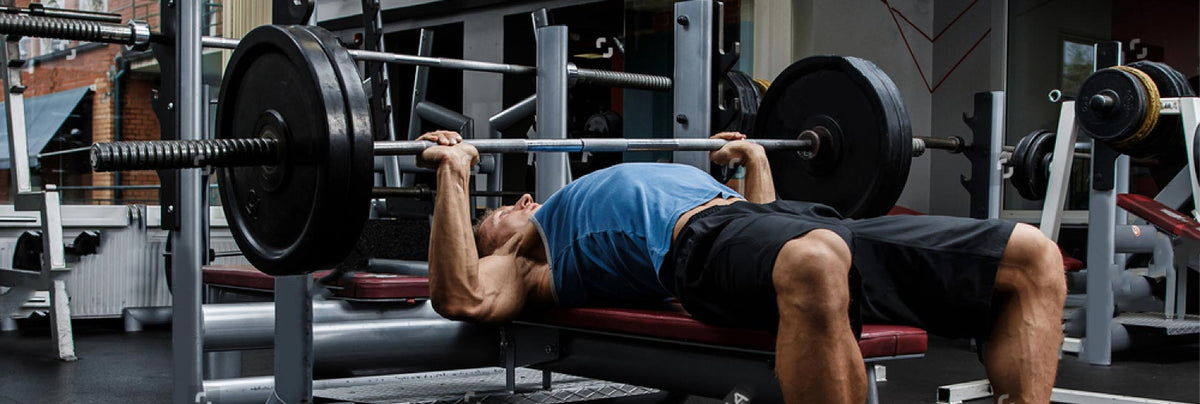
I'm sure you've heard the saying 'Monday is international chest day'. But the question is what are the best chest exercises for muscle growth and strength. This article will take a look at the scientific research behind chest training, and leave you with not only the best exercises for chest but an actionable workout, too.
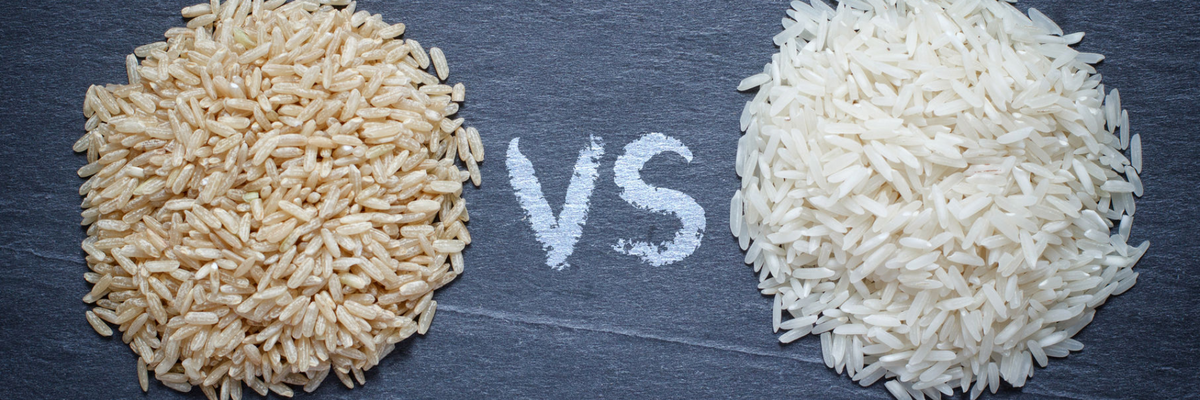
There's no one who hasn't ordered the brown rice over the white, the brown bread over white, or anything "Low GI" over higher GI options thinking it's better for their fat loss efforts. The truth is that high and low GI carbohydrates are irrelevant when it comes to fat loss.

The findings from a study reveals the best exercise for biceps growth, to ensure you're training as effectively as possible. The best exercise is not what you think it is.

Intermittent fasting, is it the superior diet that everyone should follow to really achieve weight loss results? With studies and science backed to prove it's method to lose weight, this could be it.

It's a common question many trying to lose weight ask: is HIIT or incline walking better for weight loss? On one hand, HIIT (short for high-intensity interval training) has long been touted as a sure-fire way to carve fat, whilst a brisk walk has also been said to do the same. It boils down to one thing. What is it?
At Workout Meals, we pledge to continually innovate to enhance your experience with us . Even though we strive for perfection, we are realistic enough to know that sometimes we may fall short, so if you can, please send us any feedback that you have that can help us help you.

This information is why scientists and experts laugh when people try and blame carbohydrates for weight gain, and paint them to be the big evil of our diets. So now that you know the truth, enjoy your carbohydrates, and your ongoing fat loss results!
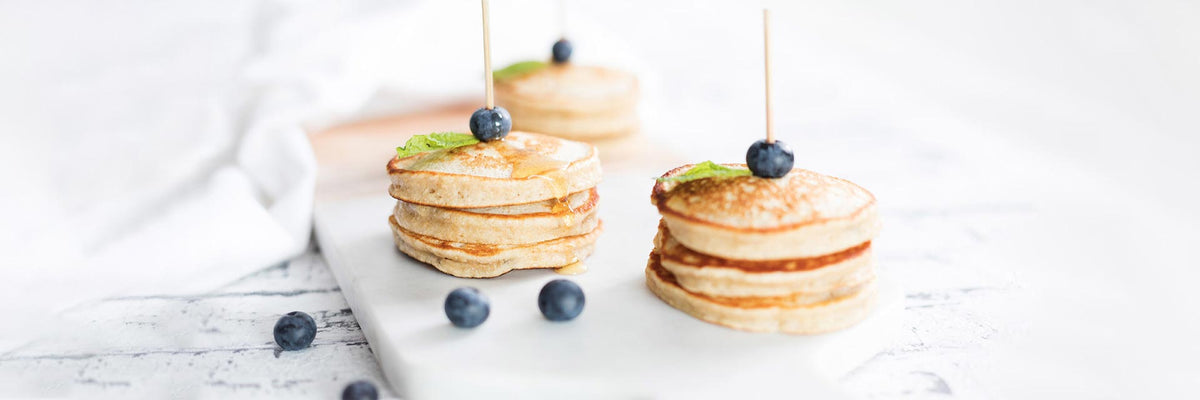
Health is about an all-around approach involving consistency; a small amount of anything that is deemed to be "unhealthy" is not in a small dose! It's all about staying on track and removing your cravings -- let these three options help you stay on track towards your fat loss goals!
The at-home barbell workout that's as tough as going to the gym...maybe tougher! You don't need a gym to really push yourself, and once you try this, you'll know exactly what I mean!
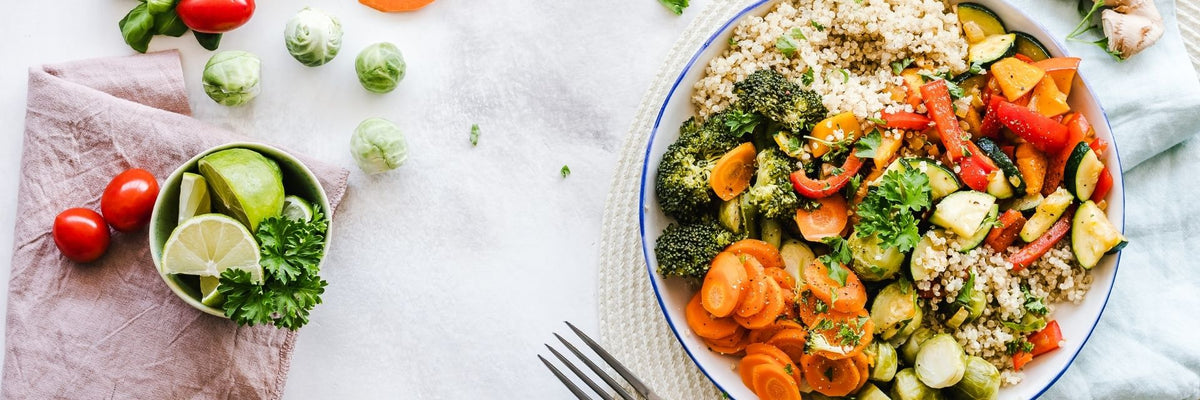
As with most things in the fitness world, when it sounds too good to be true it normally is. But there are always exceptions: science dictates you really can lose weight without exercising.

Knowing how Apple Fitness+ works, knowing how to calculate your daily calories, how to fit Workout Meals and others into your daily macronutrient profile. You'll be taking the guesswork out of weight loss.
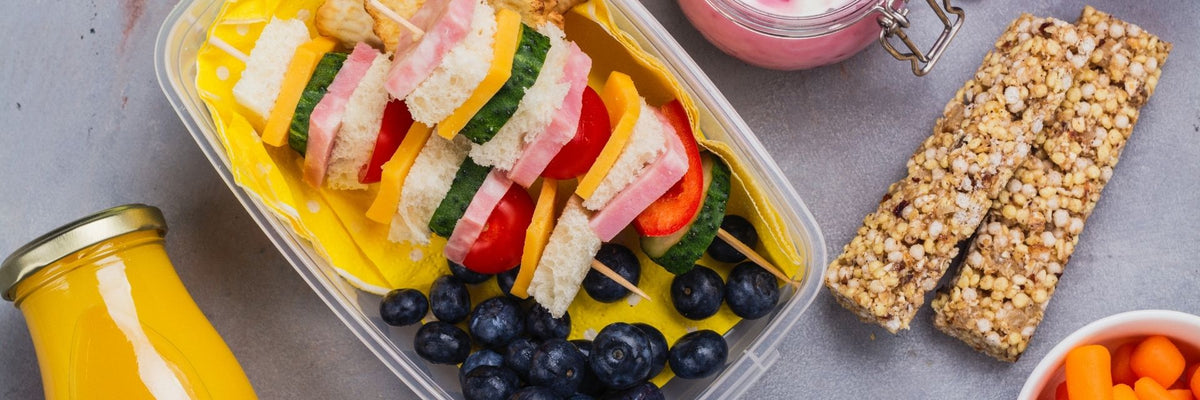
Three tasty and healthy alternatives to the sandwich your kids will love Like the rest of us, children love variety when it comes to eating! Particularly at lunchtime when they see all the other yummy treats their friends are devouring. The humble sandwich -- once a fool-proof option for parents -- doesn't always satisfy hungry and fussy playground warriors craving different tastes! You want your children to eat healthily and they want something new and delicious! So, here are three alternatives to the sandwich to satisfy your children's taste buds. 1. Charcuterie skewers With a small pack of skewers small enough to fit in a lunch box, begin stacking the with diced leg ham, cheddar cheese, and tomato, and repeat until the skewer is full. The only thing worse than children talking in class is their stomachs doing the same! The key to fighting hungry bellies is protein, which will keep your children fuller than a source of carbohydrate or fat (1). So, be super generous with the ham! The cheese will also provide a good source of protein (2), as well as an impeccable source of vitamin K2 (3), which plays a vital role in the metabolism of calcium to promote your child's bone, teeth, and heart health (4). Protein consumption will also strengthen your child's immune system (5), very beneficial given how quick classroom bugs can spread. Moreover, the tomatoes will provide a great source of fiber, that will pair well with the protein and cheese to keep tummies fuller for longer (6). Also, tomatoes are a great source of Vitamin C (7), another powerful way of strengthening young immune systems! (8). 2. Peanut butter and honey waffles Wait, waffles? You'd be forgiven for thinking waffles are an unhealthy treat packed with enough sugar to frighten Willy Wonka! But they're not. Waffles are simply just flour, milk, and eggs. They are a really healthy alternative that your kids will love, and you can make them easily. Here's how: - 1 Cup Unbleached flour - 1 Cup Milk - 1 Tsp baking powder - 1 Egg - Pinch of salt ***(As you can see, no sugar has been added!) Mix all of this together in a bowl till combined, and toast in a waffle iron. Apply the peanut butter to the waffle as if you're buttering bread, and do the same with your honey. Peanut butter is a vastly underrated food that is a great source of protein (9) that also contains all the 20 amino acids (9). Peanut butter also boasts fibers, antioxidants, vitamins, and minerals; as well as heart-healthy monounsaturated and polyunsaturated fat (9). This makes peanut butter a great source of protein and healthy fats, which is why we recommended it for active school children. Peanut butter is also utilised around the world in third-world nations to provide healthy calories to malnourished infants and children, which ends up saving their lives! The waffles themselves provide a great source of carbohydrates for energy and brain function (10), and honey is a tremendous source of antioxidants, with the ability to provide anti-inflammatory (11), antibacterial (12), antidiabetic (13), respiratory, gastrointestinal (14), cardiovascular, and nervous system (15), protective effects. 3. Pasta salad Like the waffles, pasta isn't unhealthy or high calorie if prepared correctly. Here's what to do: - Use a Penne pasta, or a pasta they can use their hands if needed- Add Protein (boiled egg, diced chicken or ham)- Add Veg (corn, carrots and peas. Use veg your child enjoys)- Use Italian salad dressing for topping The pasta is a great source of playground and brain energy via its low GI carbohydrates (16) and is a flavoursome alternative to bland wraps or bread. Cover your protein bases with the chicken (or eggs as outlined above) which will deliver a healthy dose of zinc; vital for healing any of your child's wounds (17) and supporting their metabolism (18). The added green peas are a great source of iron (19) and fiber, which will -- along with chicken -- also put a stop to those rumbling bellies! (6). The corn and carrots are another good source of fiber (20), though the corn is exponentially better. The Italian salad dressing is low in calories (21), yet adds the perfect amount of flavour to ensure no taste buds are left scratching their heads! So there are three strong alternatives to the sandwich that taste great, are healthy, and that your children will be happy with. All the best for the new school year! How to pack a healthy lunch References (1) Soenen S, Westerterp-Plantenga MS. Proteins and satiety: implications for weight management. Curr Opin Clin Nutr Metab Care. 2008 Nov;11(6):747-51. doi: 10.1097/MCO.0b013e328311a8c4. PMID: 18827579. (2) el-Sayed MM, Abdel Hamid FF, Ahmed YM, Ali SH, Mansour OY, Abdallah NM. Biochemical studies on proteins from cheese whey and blood plasma by-products. Nahrung. 1998 Feb;42(1):12-5. doi: 10.1002/(sici)1521-3803(199802)42:01<12::aid-food12>3.3.co;2-2. PMID: 9584275. (3) Dekker LH, Vinke PC, Riphagen IJ, et al. Cheese and Healthy Diet: Associations With Incident Cardio-Metabolic Diseases and All-Cause Mortality in the General Population. Front Nutr. 2019;6:185. Published 2019 Dec 17. doi:10.3389/fnut.2019.00185 (4) Maresz K. Proper Calcium Use: Vitamin K2 as a Promoter of Bone and Cardiovascular Health. Integr Med (Encinitas). 2015;14(1):34-39. (5) Daly JM, Reynolds J, Sigal RK, Shou J, Liberman MD. Effect of dietary protein and amino acids on immune function. Crit Care Med. 1990 Feb;18(2 Suppl):S86-93. PMID: 2105184. (6) Warrilow A, Mellor D, McKune A, Pumpa K. Dietary fat, fibre, satiation, and satiety-a systematic review of acute studies. Eur J Clin Nutr. 2019 Mar;73(3):333-344. doi: 10.1038/s41430-018-0295-7. Epub 2018 Aug 30. PMID: 30166637. (7) Riso P, Visioli F, Erba D, Testolin G, Porrini M. Lycopene and vitamin C concentrations increase in plasma and lymphocytes after tomato intake. Effects on cellular antioxidant protection. Eur J Clin Nutr. 2004 Oct;58(10):1350-8. doi: 10.1038/sj.ejcn.1601974. PMID: 15054415. (8) Huijskens MJ, Walczak M, Koller N, Briedé JJ, Senden-Gijsbers BL, Schnijderberg MC, Bos GM, Germeraad WT. Technical advance: ascorbic acid induces development of double-positive T cells from human hematopoietic stem cells in the absence of stromal cells. J Leukoc Biol. 2014 Dec;96(6):1165-75. doi: 10.1189/jlb.1TA0214-121RR. Epub 2014 Aug 25. PMID: 25157026. (9) Arya SS, Salve AR, Chauhan S. Peanuts as functional food: a review. J Food Sci Technol. 2016;53(1):31-41. doi:10.1007/s13197-015-2007-9 (10) Mergenthaler P, Lindauer U, Dienel GA, Meisel A. Sugar for the brain: the role of glucose in physiological and pathological brain function. Trends Neurosci. 2013;36(10):587-597. doi:10.1016/j.tins.2013.07.001 (11) Khalil I, Moniruzzaman M, Boukraâ L, Benhanifia M, Islam A, Islam N, et al. Physicochemical and antioxidant properties of Algerian honey. Molecules. 2012;17:11199–215. (12) Attia WY, Gabry MS, El-Shaikh KA, Othman GA. The anti-tumor effect of bee honey in Ehrlich ascite tumor model of mice is coincided with stimulation of the immune cells. J Egypt Public Health Assoc. 2008;15:169–83. (13) Estevinho L, Pereira AP, Moreira L, Dias LG, Pereira E. Antioxidant and antimicrobial effects of phenolic compounds extracts of Northeast Portugal honey. Food Chem Toxicol. 2008;46:3774–9. (14) Abdulrhman M, El-Hefnawy M, Ali R, El-Goud AA. Honey and type 1 diabetes mellitus. In: Liu CP, editor. Type Diabetes – Complications, Pathogenesis, and Alternative Treatments. Croatia: In Tech; 2008. (15) Ghosh S, Playford RJ. Bioactive natural compounds for the treatment of gastrointestinal disorders. Clin Sci (Lond) 2003;104:547–56. (16) Vitale M, Masulli M, Rivellese AA, et al. Pasta Consumption and Connected Dietary Habits: Associations with Glucose Control, Adiposity Measures, and Cardiovascular Risk Factors in People with Type 2 Diabetes-TOSCA.IT Study. Nutrients. 2019;12(1):101. Published 2019 Dec 30. doi:10.3390/nu12010101 (17) Kogan S, Sood A, Garnick MS. Zinc and Wound Healing: A Review of Zinc Physiology and Clinical Applications. Wounds. 2017 Apr;29(4):102-106. PMID: 28448263. (18) Roohani N, Hurrell R, Kelishadi R, Schulin R. Zinc and its importance for human health: An integrative review. J Res Med Sci. 2013;18(2):144-157. (19) Moore KL, Rodríguez-Ramiro I, Jones ER, et al. The stage of seed development influences iron bioavailability in pea (Pisum sativum L.). Sci Rep. 2018;8(1):6865. Published 2018 May 2. doi:10.1038/s41598-018-25130-3 (20) Dhingra D, Michael M, Rajput H, Patil RT. Dietary fibre in foods: a review. J Food Sci Technol. 2012;49(3):255-266. doi:10.1007/s13197-011-0365-5 (21) https://www.calorieking.com/us/en/foods/f/calories-in-salad-dressings-italian-salad-dressing/fHZqQ5frShqzvUWmuZRWOg Browse our full menu of high-protein ready meals

You start your diet. Great. You lose a few kilograms and you make sure everyone sees it. #Progress. But then something happens; the weight loss stops. What to do when weight loss plateaus are one of the hardest things to get right when it comes to weight loss for women, and men trying to lose belly fat.
Most gym-goers have been caught in the cycle of training 1-2 muscle groups per day, week in week out. Such was touted for so long as the best approach: Legs on Monday, Back on Tuesday, etc. But as the scientific literature evolves, we're learning that full-body workouts may accelerate your results.
It doesn't matter what high-protein diet you're following. What matters is that on average you finish the day in a calorie deficit; eating fewer calories than you burn. Because that's what'll allow you to lose weight consistently and effectively. It's the best-known way for men to lose their belly fat and a fool-proof strategy to achieve weight loss for women. Here's why most people fail on their diets. They say: "Ok, I'm sick of being overweight. From tomorrow I'm eating only vegetables, no junk food, cutting out drinking, and getting a PT, and running 2km a day. Pass me my water bottle!" Everyone tries to do TOO MUCH, thus suffering mentally and physically and forgoing focus on what really matters: a CONSISTENT deficit of daily calories. An overkill leads to lack of consistency and lack of motivation. This almost always ends in failure. How much of a calorie deficit do I need to lose weight? Research shows diets are very effective when subjects are in a daily calorie deficit of 500 calories (1). This is because a cumulative deficit of 3500 calories is required to achieve a pound of body weight loss (approximately half a kilo) (2). This means a deficit of 7,700 calories equates roughly to a kilogram of body weight lost (2). So you'd need to eat in a 500 calorie deficit for 15.4 days to lose a kilogram of fat (2). Here's a real-world example of such: let's say Tina burns 2000 calories per day (known as her Total Daily Energy Expenditure or TDEE), and thus plans to eat a 500 calorie deficit daily. Tina would eat 1500 calories per day, and her week would look like this: Monday = deficit of 500 calories Tuesday = deficit of 500 calories Wednesday = deficit of 500 calories Thursday = deficit of 500 calories Friday = deficit of 500 calories Saturday = deficit of 500 calories Sunday = deficit of 500 calories TOTAL DEFICIT = 3500 calories. So by the end of the week, Tina would have lost roughly 1 pound or a half a kilo. If Tina does this for 2 weeks consecutively (15.4 days to be precise), she's basically lost 1 kilogram of fat. Whilst the notion that a "3500 calorie deficit equates to a lost pound of body fat" is sometimes seen as an oversimplification (3), it's still a strong yardstick for us to use. This is because Tina could experience some muscle loss, thus making the equation not totally accurate. But for the sake of simplicity, this is what weight-loss experts and nutritionists continue to use (2). But for Tina, her 500 calorie deficit actually equates to a 25% calorie deficit. This walks the line between the "moderate deficit" category and the "large deficit" of dieting (4): Small deficit: 10-15% below daily activity In this case, Tina would reduce calories by 200-300 calories daily. Moderate deficit: 20-25% below daily activity In this case, Tina would reduce calories by 400-500 calories daily. Large deficit dieting: 25% below activity of greater In this case, Tina would reduce calories by 500 calories or more. So depending on how large you are, and how much body fat you have to lose, the 500 calorie deficit can be an aggressive one if you're Tina, but not as much if you burn 6000 calories per day due to being significantly overweight. When you're planning a weight loss diet, you'll decide which deficit from the above you want, depending on how quickly you want to lose weight. And of course the bigger your deficit the harder it is to maintain. That's why many people start diets in the "small deficit" category, to ensure dietary adherance. So now you know how large your deficit needs to be in order to lose weight. Now all you need to discover is how to calculate how many calories you burn (TDEE) and subtract that from there. Weight loss for men and women: Working out your calorie deficit to lose belly fat As mentioned, the term "Total Daily Energy Expenditure" (TDEE) refers to how many calories you burn daily. In the aforementioned example of Tina, her TDEE was 2000 calories. You can work out your TDEE by utilising the four steps below: Step 1 = Work out your Basal Metabolic rate (BMR). This is the number of calories your body needs to stay alive for organ functioning. You'll work out your BMR by multiplying your body weight by 20. For example, Jason is 110 kg. 110 kg x 20 = BMR of 2200 calories. Step 2 = Work out the Thermic Effect of Feeding (TEF). This is the number of calories you burn daily from the food you eat, given the energy generated by the body to digest it. So simply multiply your BMR by 0.1 to get the TEF. Jason's BMR = 2200 calories. 2200 calories x 0.1 = 220 TEF 2200 BMR + 220 TEF = 2420 calories so far. Step 3 = Work out the Exercise Energy Expenditure (EEE), which is how many calories you burn during exercise. This is basically impossible to get completely correct, but generally, an hour of light exercise is around 250 calories burned, and an hour of intense exercise (training legs, for example) is about 500 calories burned per hour. Let's say Jason is doing resistance training 5 times per week. We'd add on 500 calories. 2200 BMR + 220 TEF + 500 EEE = 2920 calories. Step 4 = Work out your Non-Exercise Activity Thermogenesis (NEAT). This is the number of calories you burn daily away from exercising. It's things like maintaining posture sitting at your desk, chewing gum, and walking to the bathroom. Desk job employee = 250 calories from NEATA parking inspector, delivery driver, building site worker, etc = 500 calories from NEAT Let's say Jason has a desk job. Our numbers now look like this: 2200 BMR + 220 TEF + 500 EEE + 250 NEAT = 3170 calories. Jason's TDEE is 3170 calories. So now, Jason must decide how aggressive he wants to approach his weight loss. Let's say he aims for a moderate deficit of 20%, then he'd simply reduce that from his TDEE. 20% of 3170 calories is 634 calories. 3170 calories - 634 calories = 2536 calories. Therefore, Jason needs to eat 2536 calories per day to lose weight at a moderate deficit of 20%. And you can see why the "500 calorie a day deficit" is a good starting point, but in the case of Jason, a 20% calorie deficit worked out to be significantly more than Tina, at 634 calories per day. And based on these numbers, if Jason can stay consistent, he'll lose (roughly) a kilogram of body fat after 12.1 days! Now in terms of how Jason sets up his diet plan, is beyond the scope of this article. However, your TDEE is a powerful piece of knowledge to have as you push towards your fat loss goals! I hope this article helps you understand the levels of efficiency of various calorie deficits, how to set yours, and roughly how long it will take you to achieve your fat loss goal. All the best torching the fat! References (1) Carels RA, Young KM, Coit C, Clayton AM, Spencer A, Hobbs M. Can following the caloric restriction recommendations from the Dietary Guidelines for Americans help individuals lose weight? Eat Behav. 2008 Aug;9(3):328-35. doi: 10.1016/j.eatbeh.2007.12.003. Epub 2008 Jan 4. PMID: 18549992. (2) Hall KD. What is the required energy deficit per unit weight loss?. Int J Obes (Lond). 2008;32(3):573-576. doi:10.1038/sj.ijo.0803720 (3) McArdle WD. Exercise physiology: energy, nutrition, and human performance. 4th edition edn. Williams & Wilkins; Baltimore: 1996. (4) McDonald, L. 2008. Body Recomposition: Setting the Deficit – Small, Moderate or Large. Browse our full menu of high-protein ready meals

Fad diets. Shakes. Diet pills. You may have tried it all, but the fact is, the only way for sustained and lifelong Weight loss is through a clean, healthy diet. Kickstart your 2021 the Workout Meals way!
You've likely heard the word "macronutrients" or its colloquial and abbreviated term "macros" hundreds of times. It sounds fancy and complicated, but what does it actually mean?
It's likely that Santa is right now knitting you a new garment that'll look great with a set of Christmas cannons. And because summer is a time where you'll have a chance to show them off, this article will outline a challenging arm workout to ensure you look your best!
It doesn't matter if you're as disciplined as an angel, saint, soldier, or any other archetype you can think of; everyone has some form of a binge over Christmas! Minimise your weight gain with our strategy.
With the busy Christmas period and holidays just around the corner, getting to the gym is much harder. But we've got a piece of terrific news that doesn't involve Santa Claus, Christmas ham, or boxing day sales: you can train for just 13 minutes three times per week over the holidays and keep your muscle gains!

The Christmas season is a time to slow down and consume too many calories. That presents a challenge if you are trying to achieve your health & fitness goals. Maintaining your good exercise and nutrition habits during the proverbial 12 days of Christmas tips will springboard you into a fantastic new year.

Whilst holidays should be about relaxing and not thinking about your health and fitness goals as much as usual -- there are ways to keep up progress using equipment you can take with you. This article outlines three pieces of equipment that can help you maintain some of your strength progress whilst you enjoy your time away.
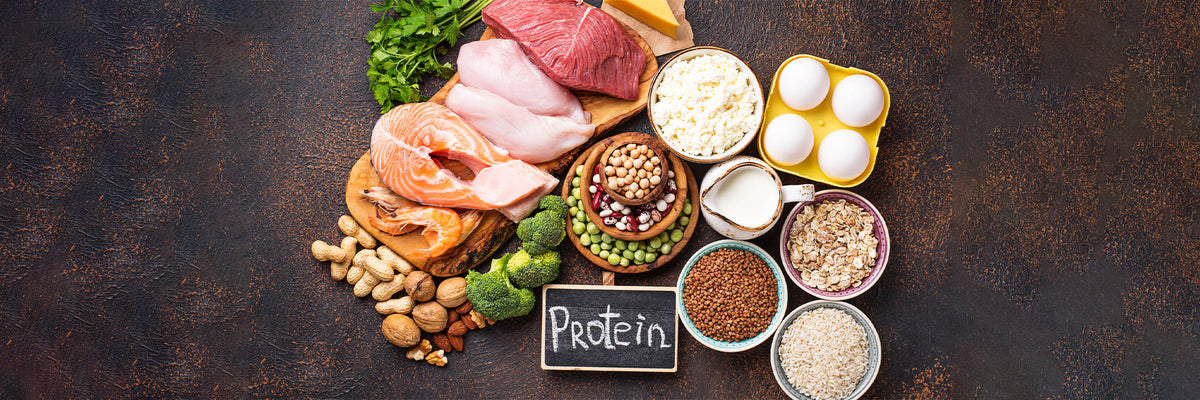
When the Christmas holidays arrive, every meal on offer seems to double in calories. As inconvenient as it is, your body doesn't know what time of the year it is (or how much you deserve it!). It only knows that you're eating too much, or you're not. But we've got a plan to help you prevent any weight gain!
With so many fad diets out there, from the ketogenic diet to intermittent fasting and even high carbs - the subject of weight loss can be extremely confusing. Yet, all diets, including those just mentioned, have one thing in common . . .

If you are going to get the best results in terms of fitness, it is vital that your nutrition aligns with your training. That is especially the case when it comes to achieving sustainable long term weight loss. Let’s drill down on how to eat to achieve that goal.
Around the world, the rate of male suicide is alarmingly high: 6 out of 10 suicides are men. Movember is a global movement to reduce the rate of male suicide by 25%.
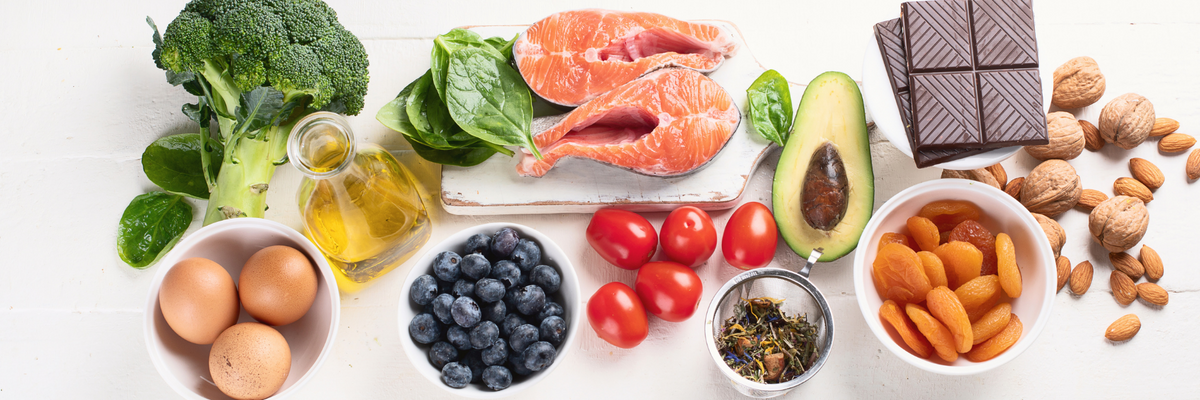
Researchers have identified two key vitamins that are great for boosting the memory; Vitamin E & Vitamin K. Here are 8 foods to add to your diet that will help boost your memory.

We can’t avoid stress. It is the body’s inbuilt device to help us to cope with what life throws at us. But we can learn to better manage stress. Here are 4 ways to help you relieve stress.
For many people, losing weight is a bit like giving up smoking. They become experts at it because they do it so often. The reality, of course, is that if they did it the right way, they’d only have to do it once! So, what’s the right way? Dieting or lifestyle changes? Let’s Investigate. . .

The bottom line on organic foods is that, if you care about your health and what goes into your body then you should seriously consider making the switch to organic.
Discover the 8 essential rules that need to form the foundation of your fat loss efforts.

Talk about frustrating! You’re doing everything by the book – you’re eating right, you’re exercising religiously. Read on to discover 5 not so obvious reasons why those scales won’t budge – and what you do about it.
Let’s face it – we’ve all got limited time to put into our weight loss workouts. That’s why we need to ensure that we’re doing the most productive things to get the results that we want. When it comes to weight loss, your choices boil down to weight training or cardio. So, which one deserves your time and energy?

New to Workout Meals?
Don't Just Order –Subscribe
Chef-prepared, macro-tracked meals delivered on repeat — no planning, no reordering. Subscribing is the smart way to start: it's cheaper per meal, free to ship, and you can pause or cancel anytime And you're welcomed in with gifts.
- Free shipping from your first box
- Rewards that grow the longer you stay
- No lock-in — pause or cancel anytime
Pause, skip or swap anytime. No lock-in.

When you subscribe, you get
+$65
In gifts
Spread across your first boxes as a member — our way of welcoming you in. Free shipping is just the start.